Particular criteria considered in missing persons cases
Posted January 12, 2014 1:59 pm.
This article is more than 5 years old.
VANCOUVER (NEWS1130) – Last weekend two high-profile missing persons cases came to a tragic end in Metro Vancouver, but how do police decide if the case is important enough to tell you about it?
Investigators say they go through an exhaustive list before the public is brought into the loop.
Every year there are thousands of missing persons reports — in Vancouver alone, police deal with more than 3,000 cases.
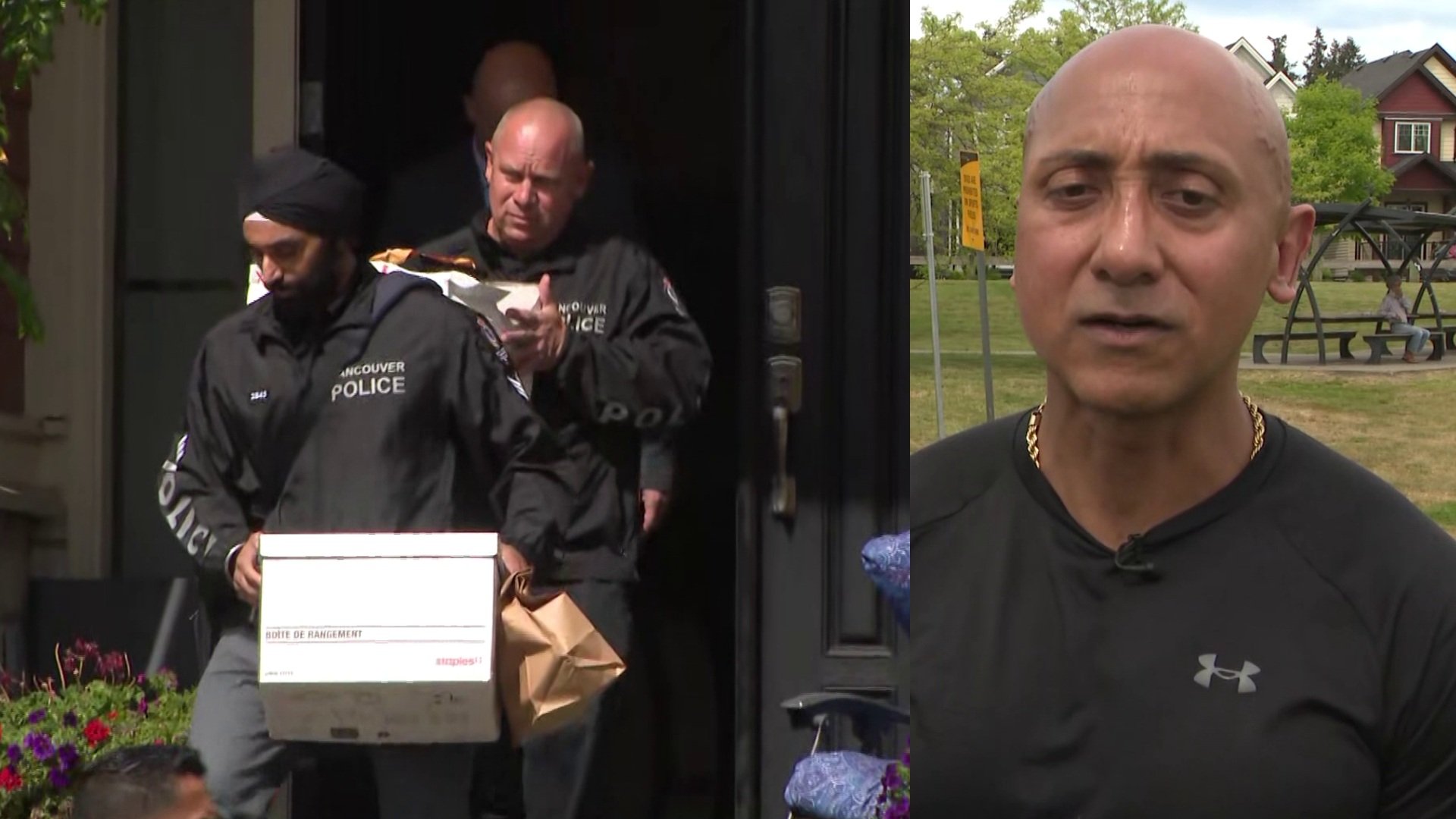
Cst. Brian Montague says before they ask for your help though, they’ll check things like whether the person has a habit of taking off, is it someone with a medical condition, their age and their mental stability. “We obviously don’t want to put out a plea to the public for every missing persons case. We can’t because then it just becomes white noise. We want to be able to have the media put out the information that we think is important so we can find these individuals.”
“We have to pick and choose the cases that we make public. We have to look at all the circumstances and decide whether or not going public with the case will help us solve it. Obviously, if a person’s life is in danger or if we think a person’s life is at risk if we don’t find them quickly; again some factors in our decision to go public with a case,” explains Montague.
He adds they’ll also check in with friends and family, Canada Border Services and Transit Police. Officers will also go to various hospitals to make sure the person they’re looking for was not admitted as a patient.
“One of the things that we really have to juggle here is a person’s privacy. Often, we are providing a picture, we are providing medical records, we are providing medical information, we are providing personal information about somebody. Obviously, it’s something we don’t want to do unless we absolutely have to,” adds Montague.
“Say an elderly person with dementia has wandered away from a care home, we’ll go out with that information because we know it’s usually pretty urgent and it’s case of someone not having the capacity to find their way back home. We’ll get the picture out because it’s a priority to get that person [home] safe and sound.”
Officers in Canada also have access to a system called CPIC (Canadian Police Information Centre) that allows them to see every missing persons case nationwide.
There are cases that are not technically missing persons — often police will get reports of people who have chosen to cut off ties with loved ones and don’t want to be found.
Tom Billings case
The search for Tom Billings has been called off and it’s now a recovery effort. He is the latest high-profile missing persons case, but Montague says the search wasn’t ramped up because Billings is a UK tourist. “It was because the circumstances of his disappearance. We felt that a release to the media and public would help us provide some focus to the search. We needed witnesses to come forward.”
The fact that police didn’t know whether foul play was linked to his case, was another factor for the widespread attention to the case.
“There was no reason for him to not remove his belongings from the place where he was staying. There was no logical reason for him not to be making his trip to New York and then his trip back home. He missed those deadlines and that was a concern for us and we felt putting information out to the media and asking for the public’s help was the best way to solve this case.”
The 22-year-old Billings was last seen at the end of November. North Shore Rescue and the VPD were given credible information that he was spotted on the local mountains, but he has yet to be found.