Optimism a challenge 10 years into toxic drug crisis: addiction medicine expert
Posted April 13, 2026 7:40 am.
Last Updated April 13, 2026 5:47 pm.
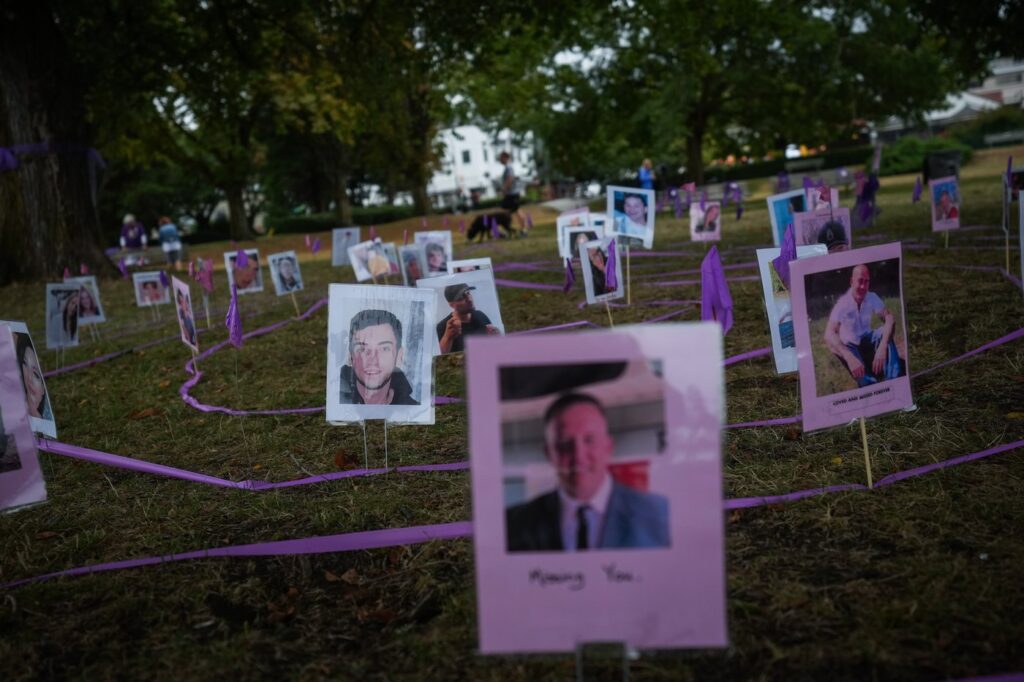
A decade after B.C. declared the toxic drug crisis a public health emergency, little progress has been made in preventing deaths.
Dr. Paxton Bach, a general internist and addiction medicine physician at St. Paul’s Hospital in Vancouver, says it’s hard to celebrate successes while five British Columbians still die each day.
CLICK HERE TO LISTEN TO 1130 NEWSRADIO VANCOUVER LIVE!“There’s no population in B.C that hasn’t been touched by this wave of overdose deaths,” said Bach.
“This is a crisis that is touching every geographic corner of our province, every community and every socio-demographic status.”
He says the increasingly volatile and unpredictable drug supply is to blame.
While the number of people using opioids in Vancouver hasn’t increased much, he says the consequences and risks have increased by orders of magnitude.
Meanwhile, he says the politics and rhetoric surrounding the crisis have significantly influenced public perception and policy.
“I would like to see us be able to agree that this is an apolitical public health crisis. And when we’re talking about the overdoses or various contributing factors, it’s really important that we’re able to use the level of nuance that is deserved for these conversations,” said Bach.
He noted that there are individual success stories, programs, and interventions worth highlighting that have demonstrated some success and should be celebrated.
Approximately 18,000 people have died from toxic illicit drugs in B.C. since a public health emergency was declared on April 14, 2016.
For Bach, it’s hard to be optimistic when the death toll is still as high as it is.
As the death toll remains at an average of five people per day in B.C., Health Minister Josie Osborne says that the impact of toxic drugs has stretched far beyond the province to communities across North America.
In an interview with CityNews, she reflects on the complex approach needed to find a solution.
“It has been a decade of increasingly unpredictable, toxic, highly toxic street drugs that have impacted far, far, far too many people,” Osborne said.
She says that the province works on prevention, treatment, recovery, and harm reduction to help save lives.
“We have been working steadily and urgently to build out a continuum of care that is more seamless, that doesn’t have the gaps that people experience, and that is everything from prevention and early intervention to the treatment, recovery, and harm reduction keeping people alive.”
She adds that it is important to recognize that the crisis has had an effect on non-drug users as well, and that people continue to lose their lives due to the crisis.
“Recognizing that this is a crisis that impacts people who don’t have a substance use issue, but nonetheless are losing their lives to this crisis. At this point, this is about continuing to use these programs to expand these programs and doing the work we need to do to reduce stigma, make it easier for people to be able to talk about, so that people can reach out for the help that they need.”
– With files from Sidney Parker.