VPD makes changes to Sex Work Enforcement Guidelines
Posted July 23, 2026 12:57 pm.
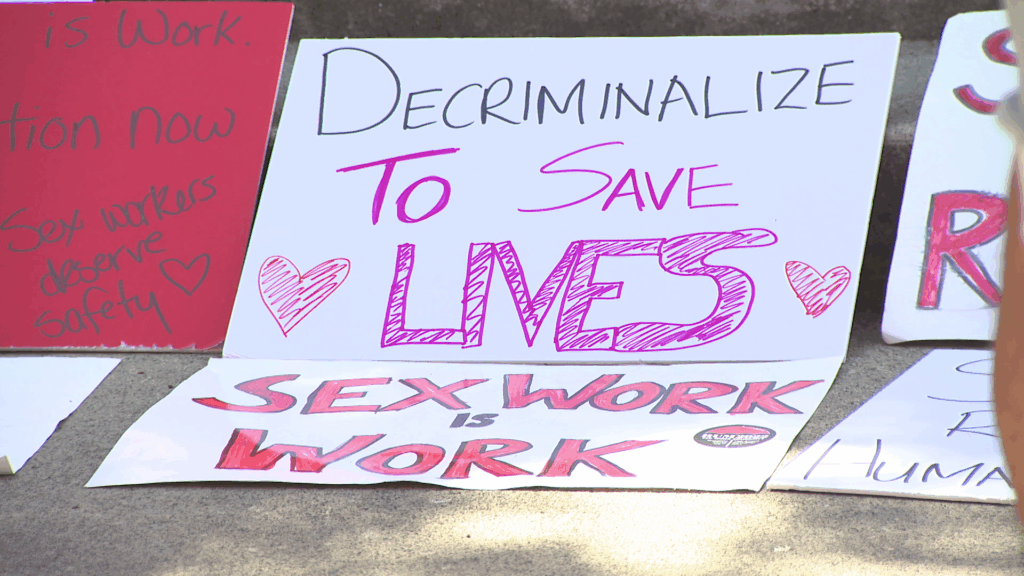
It’s a move that ignores what some are calling the prioritization of health, safety and rights of sex workers in Vancouver.
“This is laying the groundwork for increased violence against sex workers,” says Leaf Henderson, board member of Pace Society.
Frontline organizations supporting sex workers in the city are coming together to condemn revisions made by the Vancouver Police Department (VPD) to its Sex Work Enforcement Guideline last year that were just made public in April.
They changed the response when sex workers report being victims of crime, and erased all mentions of the Downtown Eastside, on which the initial guidelines’ history which was based, when a serial killer murdered dozens of Indigenous and sex working women.
This is all without any external input.
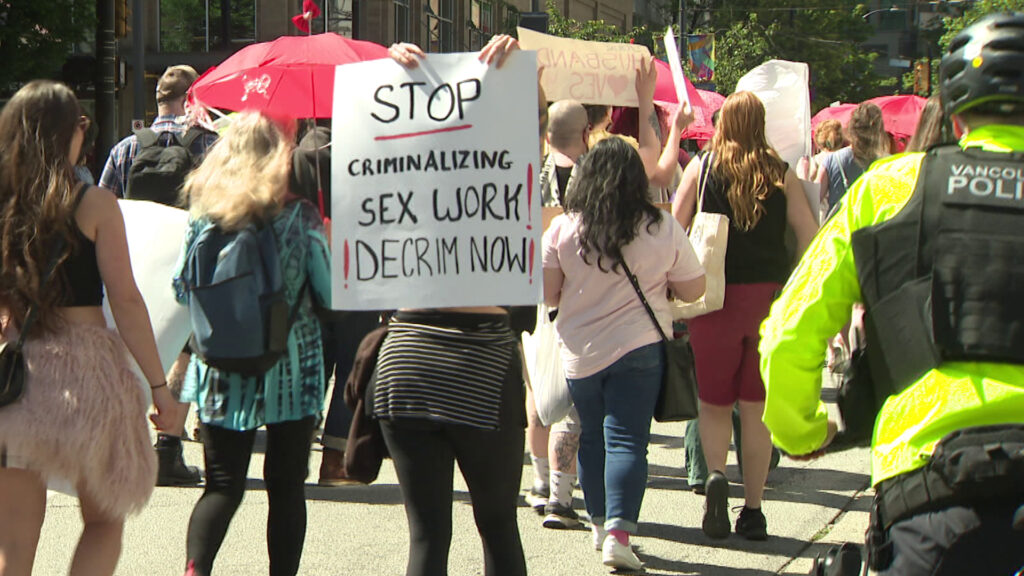
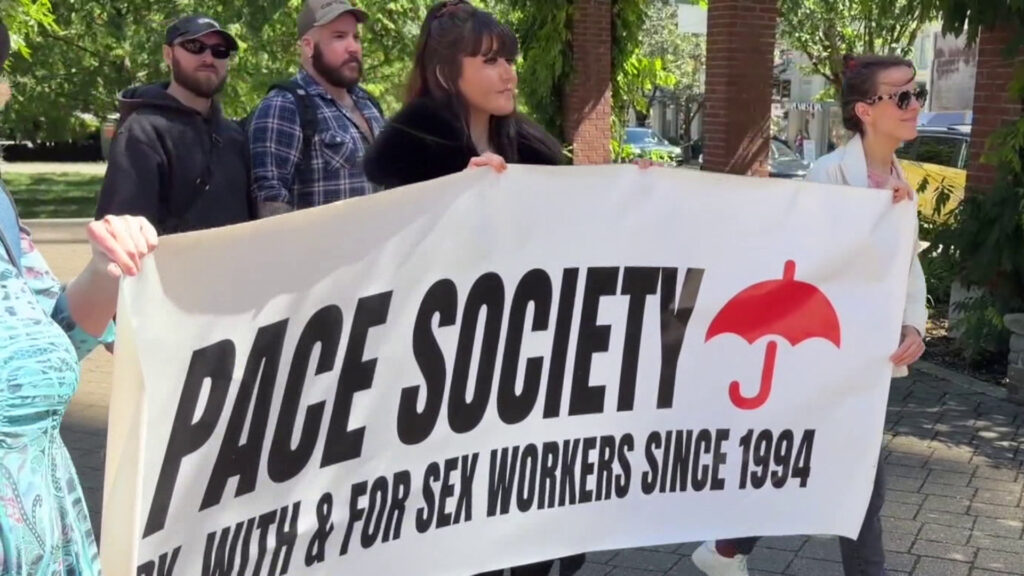
“To have five organizations consult the original guidelines in 2013 to nothing, as Leaf said, really highlights the fact that the VPD isn’t on our side and isn’t prioritizing sex work safety, which is devastating,” says Caroline Doerksen, board member of Pace Society.
Instead, they say there’s been a shift towards exploitation and trafficking by the VPD, just as an important support noted by these groups; however, it should not be conflated with sex work as it only creates additional barriers.
“We have had cases where women have experienced violence, they’ve reported it to the police and the police in turn open up a trafficking investigation or repeatedly ask who’s pimping you out or who are your traffickers, when there aren’t any, and so often the actual crime goes unpunished,” says Angela Wu, executive director of SWAN Vancouver.
In 2020, SFU conducted a study, finding that only 26 per cent of sex workers in Metro Vancouver actually reported violence to police, and the reluctance only increased when it came to racialized and immigrant sex workers.
“The reason sex workers don’t report violence to police is due to a lack of trust with police and a criminal legal system, and the updated VPD guidelines risk further eroding sex workers’ access to justice and their ability to work,” says Andrea Krüsi, assistant professor, SFU School of Criminology.
”The already limited, precarious that sex workers had, or some did, the hope for that is completely eroded,” says Henderson.
VPD could not provide a spokesperson on the concerns being raised by community groups, instead sharing a statement which reads in part: “Our commitment to the safety of sex trade workers and investigations into crimes committed against them remains unwavering.”
Going on to note that the VPD is cognizant of the dangers faced by those in sex work and endeavours to reduce these threats in the updated guidelines, viewing situations like violence, exploitation, and human trafficking as high priority for intervention.
“The VPD is cognizant of the dangers faced by those in sex work and endeavours to reduce these threats. In particular, the VPD views situations involving violence, exploitation, human trafficking, youth, or other criminal associations (e.g. organized crime or gang affiliations) as high risk and, as a result, are a priority for intervention to ensure the safety of the sex worker(s) and the community,” read the VPD statement.
While groups working with sex workers say they have been left out of talks with the VPD, it doesn’t mean that the conversation for safer conditions ends here.
“I hope that through this we can continue to hold the VPD accountable and that more community engagement, advocacy and education comes from this,” says Doerksen.