B.C. premier calls for broader retaliation against U.S. as feds detail counter tariffs
Posted August 26, 2026 7:37 am.
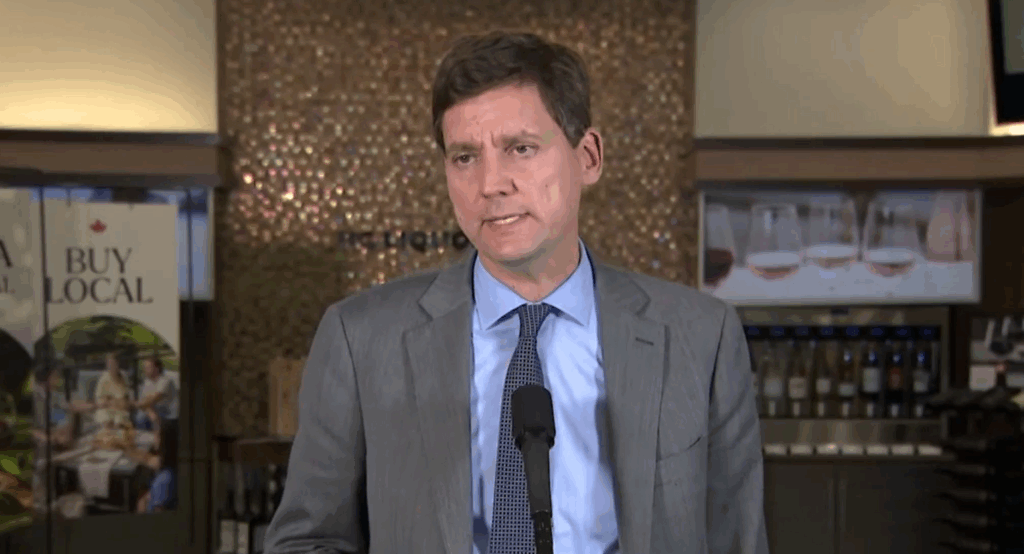
As Canada shares details on the nearly $28 billion in counter tariffs it plans on levying against the U.S., B.C. Premier David Eby has gotten involved in the trade war of words.
Eby says the U.S.’s actions make “absolutely no sense.”
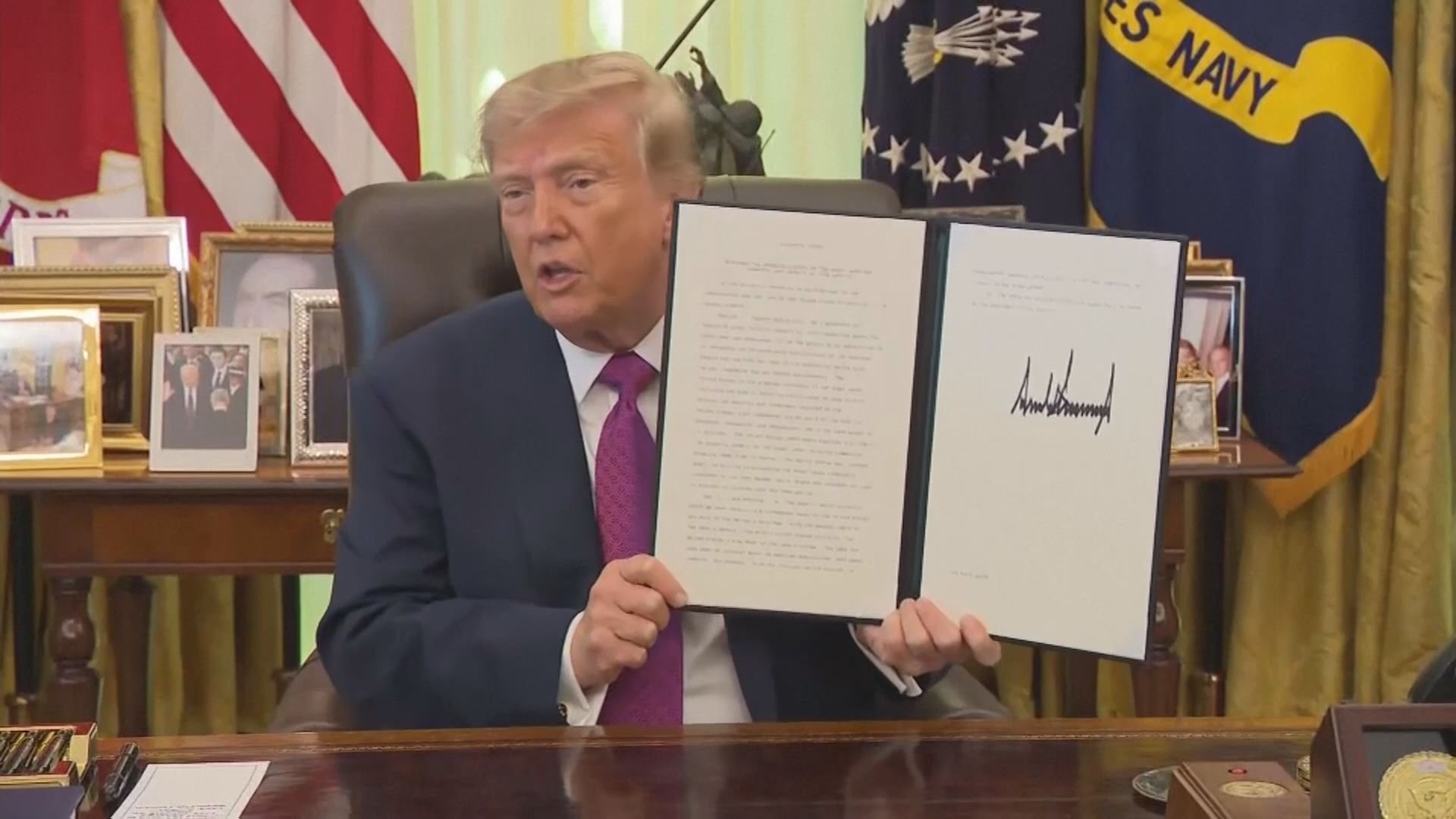
“It is an extortionate attempt by the president to force Canada, through any means necessary, to bend to his whims and his will,” he said. “We are a sovereign country, we’ve got to stand up for that.”
“If we don’t stand up to that, what will we stand up for?”
Eby has made a number of suggestions on how Canada should retaliate against the States’ latest round of biting tariffs, including weaponizing coal exports, boycotting travel, and ripping up defence procurement contracts.
“When your friend kicks you in the back, one of the first rules is you don’t then go and buy $12 billion worth of fighter jets from that person.”
Experts have noted that this escalation in the trade war will disproportionately affect some provinces, including B.C.
Economist Bryan Yu says there are clear difficulties on the horizon, with job losses, stalled growth, and an increasing cost of living all expected to varying degrees.
However, he says that with a renewed focus on building major projects, B.C. could stand to benefit in the long run.
“We’re talking about port projects, getting products into Asian markets… investment in mining, investment in LNG, [that] type of activity,” Yu said.
While there are future benefits to reducing Canada’s reliance on the U.S., many small businesses say they are already hurting, despite billions in new aid being announced by the feds.
Ryan Mitton with the Canadian Federation of Independent Business says smaller companies have been having difficulty getting access to federal supports due to a million-dollar threshold for annual revenue.
“They’ve been deemed too small to matter,” Mitton said.
“Right now, what they’re getting is an alphabet soup of acronyms and programs, when instead what they need is a single, simple support program.”
Darcy Lane is a director with Revival Stillworks, a small Vancouver Island company that creates custom distillery equipment. Lane says they have been hammered by the tariffs on metals, but they haven’t been able to receive certain federal supports.
Lane says this has put his business in a difficult position.
“Accessing support is kind of the only thing you really have at this point,” he said.
“You need help now. And that’s where we’re at, we want to keep our guys employed, we want to keep our business operating.”
Meanwhile, Lane echoes the sentiment of many businesses across the province:
“We’re still trying to figure out what the heck to do,” he said.