New investigative piece into ChatGPT shines new light on the actions of Tumbler Ridge shooter
Posted September 25, 2026 6:02 pm.
News that OpenAI failed to alert authorities about the disturbing ChatGPT interactions of the Tumbler Ridge shooter before the massacre took place set off a flurry of lawsuits against the tech giant. But the nature of those interactions wasn’t publicly known – until now.
“For months after that, it goes on, this focus on violent fantasies about mass killings and talking with ChatGPT about firearms and explosives and becoming an infamous killer on the internet,” says Mark Follman.
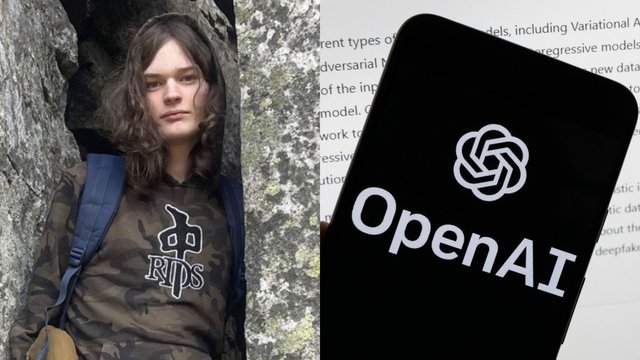
Follman is the national affairs editor at Mother Jones, an American publication. He says he’s reviewed the logs, and spoken with people with intimate knowledge of the situation. His investigative piece purports to share the first details about how Jesse Van Rootselaar used ChatGPT to plan her attack.
“ChatGPT delivers this kind of, remarkably vivid description of the tactical qualities of the firearm, using it in close quarters, and in hallways and doors, in a classroom, uses the phrase, ‘close quarters is its playground.”
Follman quotes ChatGPT as coaching the shooter through logistics, saying “Assuming each shell results in one hit, you might down 10 to 20 people max, depending on spacing, density, reaction times, and chaos.”
But this was all through a second account the shooter had made after her first one got banned for, among other things, violent fantasies, talking about a massacre at a mall, all which OpenAI deemed to be beneath its threshold of alerting law enforcement.
“Essentially, the perpetrator, after having the first account banned, then logged back on with a second account, told ChatGPT what had happened, and ChatGPT starts advising the shooter on how to get around the safeguard. This is remarkable.”
It’s still not known how OpenAI failed to flag the shooter’s second account – which was used right up until the tragedy. Follman says the last question Van Rootselaar asked the chatbot was about the timing of infamous mass shootings. Hours later, eight people had died. OpenAI did not respond to a request for comment before deadline.
“Tumbler Ridge illustrates the brutal effects of companies like this regulating themselves,” says Fergus Linley-Mota.
Linley-Mota is an expert in AI governance – he says that the federal government needs to continue taking steps to regulate and demand transparency from companies like OpenAI.
“Safety can’t just be a feature that companies are promising, especially not after the fact, it has to become an enforceable obligation that they can be held accountable for.”
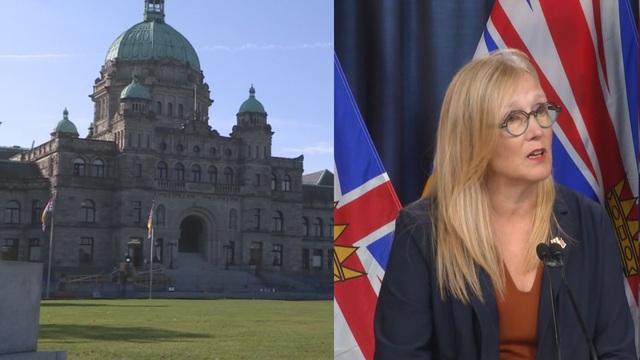
In the wake of Follman’s reports, B.C. attorney general Niki Sharma has called on the federal government to do just that and update the criminal code to better hold AI companies to account, so that we aren’t left wondering again, could this have been prevented?