What to expect from permanent daylight saving time
Posted October 30, 2026 7:51 am.
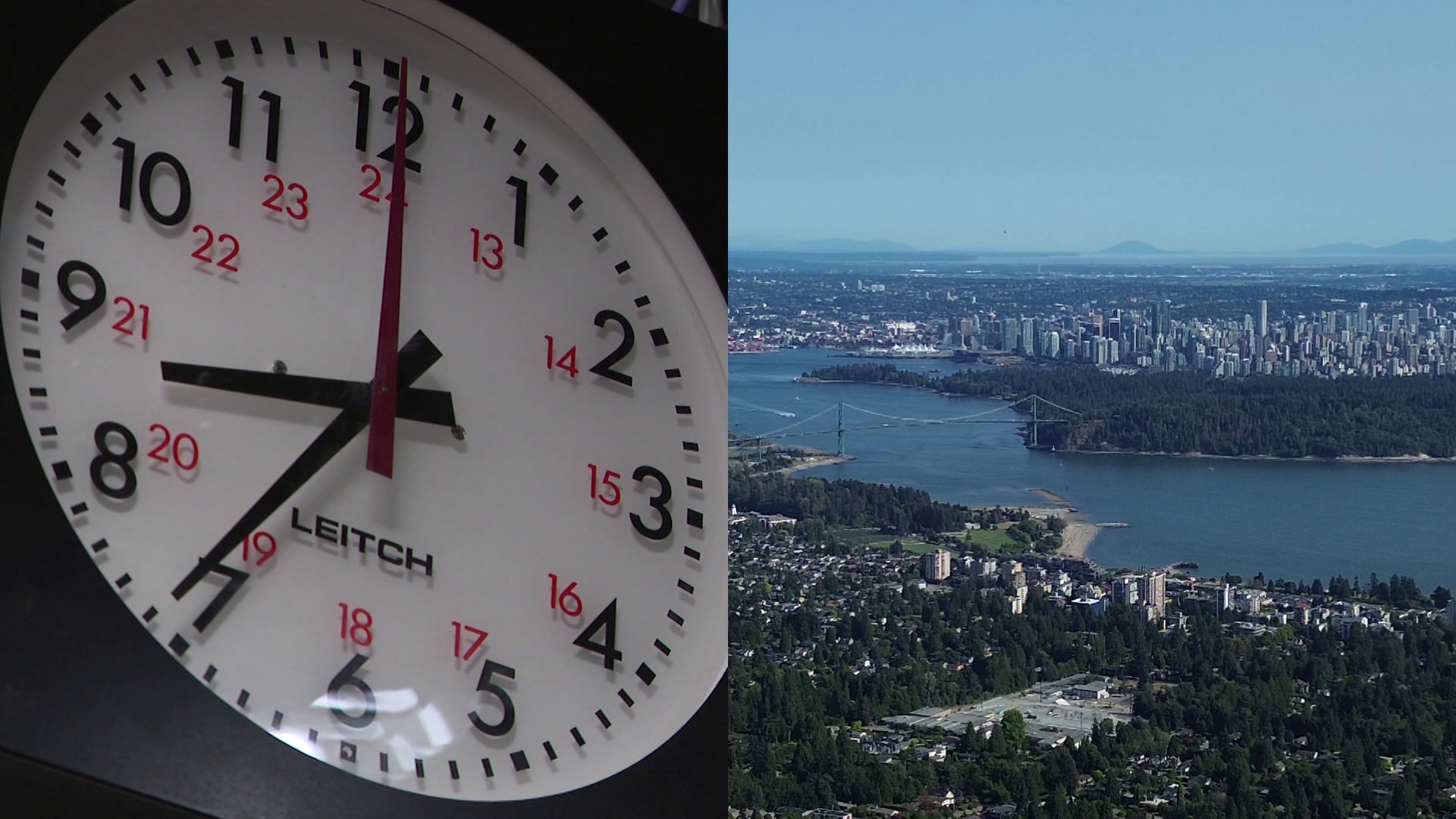
Sunday, Nov. 1 marks the first time in over a century that British Columbians will not take part in switching their clocks one hour back as the province adopts permanent daylight saving time.
However, you may be missing out on more than just one extra hour of sleep.
“Where we would’ve seen sunrise at, let’s say, 8 a.m., now it’s going to be at 9 a.m.,” said Dr. Alex Choi, medical health officer for Vancouver Coastal Health.
“That means the biggest impact is we’re going to have darker mornings than previously.”
B.C. made the decision seven years after a 2019 survey of more than 220,000 people found 93 per cent supported adopting year-round daylight saving time. The province says it will improve overall health and reduce disruptions, but health experts say darker mornings will impact your circadian rhythm.
“So without that morning light, your body is unable to regulate itself and make sure that you know what time it is internally,” Choi said.
“This means most people will be dealing with some sleep deprivation, and this does particularly impact people with existing sleep conditions.”
Dr. Choi says children will also feel the impacts more, due to their growing bodies and different sleep needs.
“We’re really concerned that sleep and mood issues will be seen most in children and youth,” she said.
“We’re also concerned that children going to school are going to be travelling in complete darkness, and we worry that injury rates might increase.”
Darker conditions could end up leading to more accidents on our roads, experts say.
“Rain, fog, maybe even snow in some parts of the province, and then add to that darkness, it makes it that much more critical to optimize your visibility,” said Road Safety at Work program director Trace Acres.
“Being alert when you’re driving this winter will be that much more important, because it will be harder to spot kids walking to school, workers on the side of the road, like garbage collectors, they’re going to be working most of their shift in the dark.”
These changes won’t be felt all at once. Mornings will gradually get darker until Dec. 21, when the days will start getting longer again.