B.C. teachers highlight cost of living, wages in negotiations with province
Posted August 22, 2022 7:01 am.
Last Updated August 22, 2022 7:03 am.
As workers in B.C.’s public sector ramp up job action, teachers are also bargaining with the province after their contract expired at the end of June.
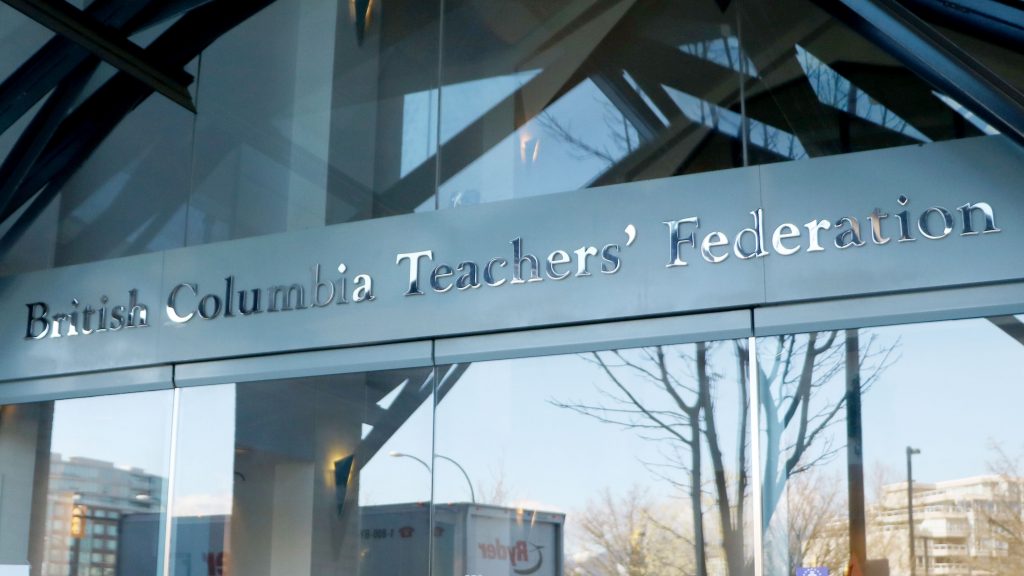
According to the new president of the BC Teachers’ Federation (BCTF), negotiations are ongoing. He says there were three days last week at the bargaining table and that they are working hard so there won’t be any disruptions in classrooms in the coming school year.
Related articles:
-
Expect more labour unrest in B.C. as inflation soars: expert
-
BCGEU begins strike action at BC Liquor Distribution Centres
-
Another B.C. public sector union could strike
-
Vancouver organization gives away 1,000 backpacks filled with school supplies
But Clint Johnston points to familiar bargaining points, like cost-of-living wage protections, which have been a major sticking point in talks between the BCGEU and the province.
“If you watch the media, you’ll know it’s a difficult point for many unions right now, given the increasing cost of living, at levels we haven’t seen for decades. So we need protections for our members,” Johnston told CityNews.
“That’s a gap for the government, I understand, to wrap their head around but it’s a key component of pretty much every union that is negotiating right now.”
But Johnston says the BCTF is confident talks will progress as members work toward a deal with the province to avoid any possible job action in the coming months.
“We’re not close to looking that far ahead yet. We are still very much at the table, looking at how to stay at the table and motivate the government to get a deal done so we all stay at work,” he explained.
Johnston says the BCTF is not asking for a specific wage increase — rather teachers want increases tied to inflation.
“The cost of living isn’t a predicable number, you can’t look four years down the road and know what it is going to be. All we are looking for is language that ensures that if the [cost of living] goes up, that’s matched in our salaries. Being frank, anything less than that and you are actually talking about a salary reduction.”
He adds workload and a worsening teacher shortage are also issues hanging over educators in B.C.
“You think about your students and you wish you could have done more. Anger isn’t the emotion I’d characterize it as. We are frustrated. When you feel your professional voice isn’t being heard, in terms of what’s best in classrooms, that’s very frustrating — frustration when you feel like you could do more if you had a better workload.”
However, Johnston suggests it wouldn’t take much for frustration to flare to anger.
“That’s an emotion that comes up maybe when you realize you’re looking at a wage cut in your negotiations. If there’s no movement there, then you can get people upset about that, and that motivates people as you see with the BCGEU. But we don’t want any of that, we are very much at the table and we’d like our members to go back to work with a good salary that covers them for cost of living and we’d like them to be back in there happy with a manageable workload, helping students reach their potential.”
The last teacher contract expired June 30, with teachers working under the previous terms until a new deal is reached.
-With files from Sonia Aslam