Vancouver fire hoses run over, VFRS out with another warning
Posted December 22, 2022 12:22 pm.
Last Updated December 22, 2022 12:35 pm.
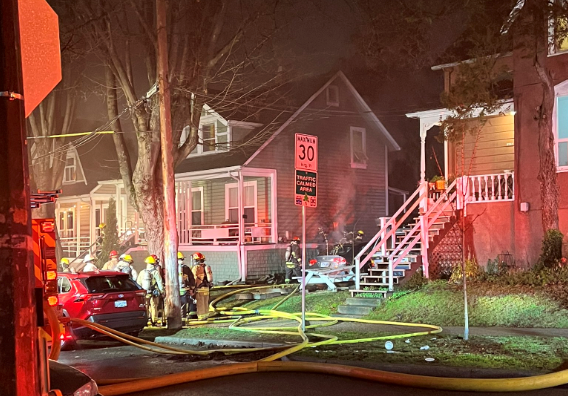
In the last week alone, two vehicles have driven into fire scenes and on top of fire hoses, impeding operations, Vancouver Fire Rescue Services (VFRS) shared in a tweet Thursday morning.
VFRS has appealed to the public to be more cautious as such incidents seriously impede its operations, and poses a safety hazard for the rescuers.
Matthew Trudeau, Public Information Officer with VFRS, confirms last week’s incident and underscored the danger of such incidents.
“There’s been a few instances where we have the person entering the fire scene with a vehicle, and we’ve had previous injuries where the hose will be cut and dragged,” Trudeau told CityNews. “Firefighters have been hurt and off the job over a year because of injuries sustained just from a vehicle driving into our scene.”
Within the last week 2 vehicles have driven into our fire scene and on top of hoses. This is incredibly dangerous for our firefighters and for the people we are rescuing inside of buildings. The large yellow hoses on the ground are never to be driven on. @IAFF18 @CityofVancouver
— Vancouver Fire Rescue Services (@VanFireRescue) December 22, 2022
Trudeau explains that driving on top of the hose restricts the flow and causes loss of water pressure, which are “lifelines” for rescuers as they rely on them in performing rescues.
“When someone becomes stuck on top of the hose – which has happened twice this week – the hot exhaust can actually melt our hose and rupture these hose lines, apart from losing water flow and pressure,” he said.
2 residential fires last night where our crews were able to contain the fire to the unit. Reminder to ensure smoke alarms are working and be extra diligent and cautious when using any heaters. pic.twitter.com/eYupXviOxn
— Vancouver Fire Rescue Services (@VanFireRescue) December 22, 2022
Such incidents cause several additional problems, he said, in which they had to re-direct resources to repairing damaged sections of the hose instead of focusing on the rescue operations. “In these cases, we need to regain our operational tactics on the fire,” Trudeau explained. “This is creating a lot of problems for us and is dangerous for our crews and for people inside.”
As if that wasn’t detrimental enough, the cold weather is compounding the problem. “The cold weather is an aspect now, too. Now we’ve got water in areas where we weren’t expecting as we cruise into the streets, and now we’ve got large potential for flooding and for freezing – so numerous factors that are at risk there.”
Related stories:
-
Three fires in Vancouver Downtown Eastside last night
-
Overnight fires in Vancouver send 2 to hospital
-
2022 could be record-breaking year for structure fires in Vancouver, officials say
Trudeau says that the fire department tries its best to block off the roads when there’s a rescue, with cones and with fire trucks.
“We are very visible on scene with red trucks, flashing lights, and cones,” he said. “And our hoses are bright yellow, and they can’t be mistaken for anything else! We understand that we put the hoses across major arteries and it’s going to impede traffic, but we’re just asking people just do not go anywhere near it and just stop and take a different route.”
According to Trudeau, the VPD helps the VFRS in these situations, and can cause people driving into the scene as much as $1,000.
Trudeau, however, is hoping that additional deterrents for violators will be put in place.