Researcher demands information on Indigenous deaths while in B.C. police custody
Posted May 23, 2023 8:43 pm.
Last Updated May 25, 2023 1:20 pm.
A researcher and writer who investigates the deaths of Indigenous people in police custody is calling attention to numerous fatalities of First Nations people over the decades.
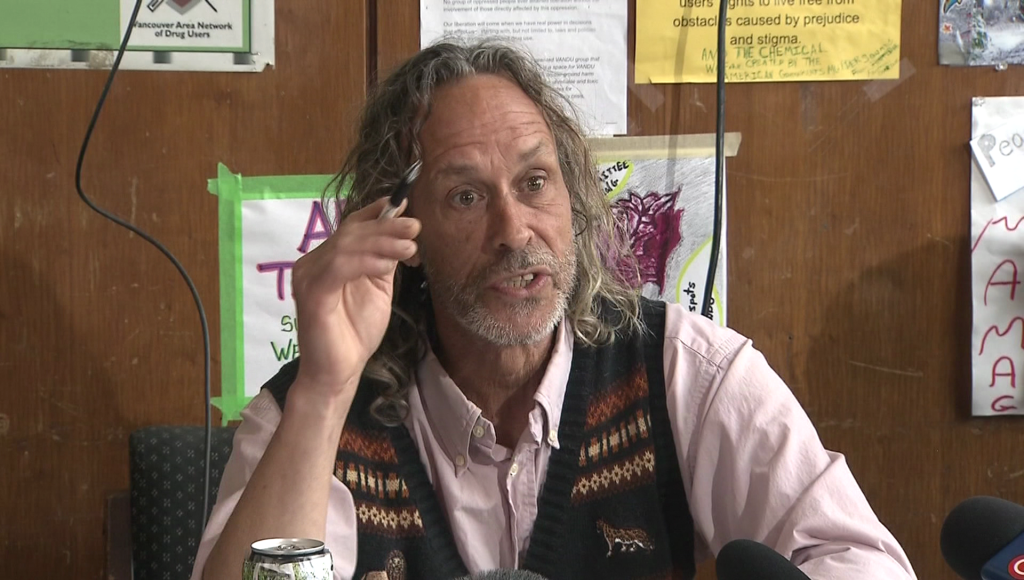
Leonard Cler-Cunningham says police in B.C. and government agencies are less willing to investigate.
“For the B.C. Office of Information and Privacy, for the Vancouver Police Department, for the Royal Canadian Mounted Police, and the BC Coroners Office – First Nations people dying in police custody in suspicious circumstances? Is it not in the public interest.”
Between 2013 and 2017, the BC Coroners Service says 20 per cent of people who died in police custody were Indigenous.
At the time, Indigenous people made up 6 per cent of the province’s population.
Related articles:
-
B.C. family wants police reform after Indigenous man’s death in Prince George RCMP custody
-
B.C.’s public safety minister concerned by delays in justice for those killed by police
-
Nearly 6 years after the death of an Indigenous man, 5 RCMP officers charged
The organization that investigates police-involved harm and death, the Independent Investigations Office (IIO), says it cannot comment on why other agencies might choose not to investigate certain cases, but adds it is clear on its own responsibility.
“The experience the Indigenous community has had with issues with police investigations or missing persons – may that play a role in some of the thoughts around this? That may well be the case, and that may be perhaps quite understandable. But as I say, the IIO is statutorily mandated to investigate all these cases,” said IIO of B.C. Chief Civilian Director Ron MacDonald.
On Cler-Cunningham’s new website NotInThePublicInterest.com, dozens of names of First Nations people, who he says have died in police custody, can be found with some dating back to the late 60s.
He says police departments, government agencies, and the coroner’s service would not give him any information on the deaths.
And when Cler-Cunningham complained to the B.C. Office of Information and Privacy Commissioner, he says it ruled the information he wanted was not in the public interest.
“They either give me the information to [do] the job properly, or they’re going to put their name on a really horrible decision. The day would come when they would be accountable for what they decided.”
Cler-Cunningham says he encourages people to look at the stories of those who died on the website.
In a statement to CityNews, the Office of the Information and Privacy Commissioner says in part, “The transparency and accountability of public bodies is especially important when it comes to matters concerning the treatment of First Nations people, including those in police custody.
“In some cases where the public interest disclosure provision of the Freedom of Information and Protection of Privacy Act (FIPPA) is at issue, the OIPC’s authority to order disclosure of records is limited. For example, there are certain Acts that override FIPPA, such as the Coroner’s Act. In these cases, the Commissioner would not have the power to order disclosure of records, even if he believed it in the public interest to do so,” the office stated.