Surrey celebrates Car Free Day
Posted June 11, 2023 2:41 pm.
Last Updated June 12, 2023 9:00 am.
As gas prices have bumped above the $2 per litre mark at stations across Metro Vancouver, getting around without filling up may seem like a welcome option to some.
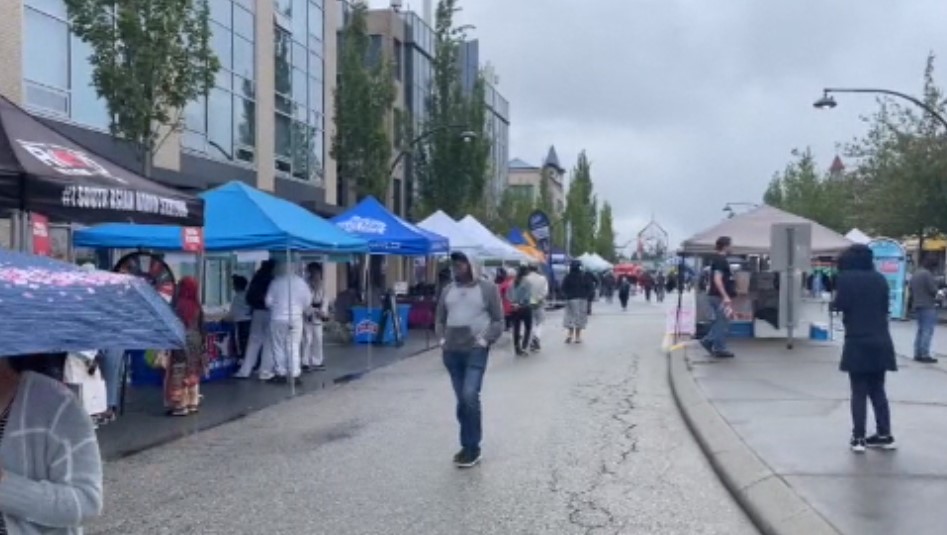
But as Surrey celebrated Car Free Day on Saturday, how practical is car-free living in a suburb?
CityNews spoke with locals who had mixed reactions. Some say living without vehicles in Surrey is absolutely possible, while others believe it is too time-consuming.
“I rely on my mom’s car too much… it’s faster to get around,” one local explained.
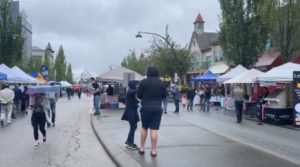
The City of Surrey celebrated Car Free Day on Saturday June 10, 2023 (Angela Bower, CityNews Image)
People also noted it is possible to just use vehicles in moderation – but not completely get rid of them.
“I think I could partially live car-free, and for longer trips or adventures I would have to take a car,” one person said.
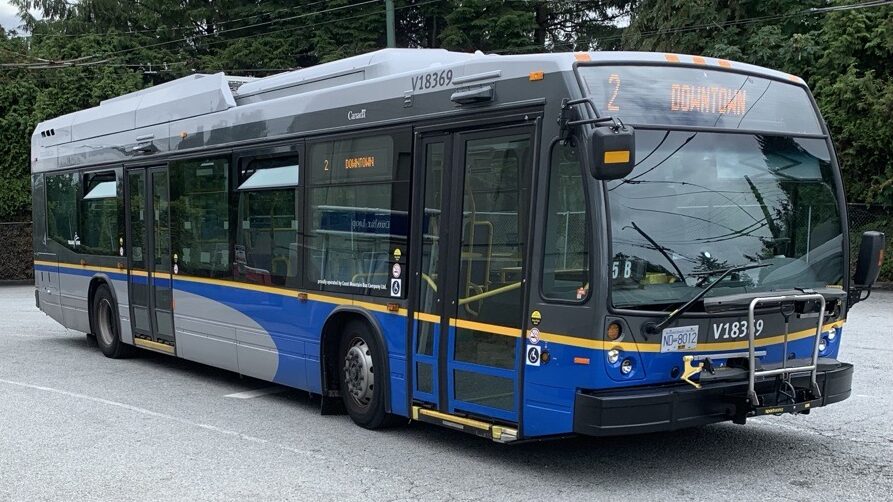
“I use transit all the time and I leave the car at home most of the time,” another one added.
Surrey’s Car Free Day was put together to show residents that cars are not always needed.
“As we grow as a community, we are getting more densely populated. We need people to start looking at different modes of transportation for sustainability and climate action,” one person said.
But for some in Surrey, the day-to-day of not having a vehicle would be too much of a challenge. A mom who has two kids says having a car is convenient.
“Because they are so tiny, I can’t really walk that far. It would be too time-consuming to walk with them to the grocery store for 20 minutes,” she said.
Andy Yang, the director of the City Planning program at Simon Fraser University, says people living in a suburb for cheaper housing may have to factor in higher transportation costs.
“l think Surrey presents its own larger challenge – Surrey is three times bigger than Vancouver,” Yang said.
“Transportation is the second highest Canadian Household expense, only after mortgages and rent, so when we see high gas prices come up and reach a certain point, there is a realization of really how much that cost of transportation is taking a chomp in auto-oriented suburbs, compared to denser cities that are better serviced by transit, average out the cost instead of just taking these hits of these gas prices.”
Celebrated the 2nd Car Free Day at Surrey Newton. It was a beautiful festive time and had heart felt conversations with other community champions. It is a great initiative to remind all of us to follow sustainable practices and reduce our carbon foot print. pic.twitter.com/eFAHo7aHau
— Harry Bains (@HarryBainsSN) June 11, 2023
Yang adds the pandemic shifted what commuting looks like for many people.
“The kind of changes after COVID — parts of the workforce don’t have to commute back and forth from their office now, we can see a change in behaviour through which change and observation between housing costs and transportation cost.”
More options to get around in Surrey are on the way, as TransLink told CityNews the new SkyTrain line that connects the city and Langley is scheduled to open in 2028.