Coroner’s inquest into overdose death of UVic student ends with 10 jury recommendations
Posted May 15, 2025 12:29 pm.
Last Updated May 15, 2025 6:17 pm.
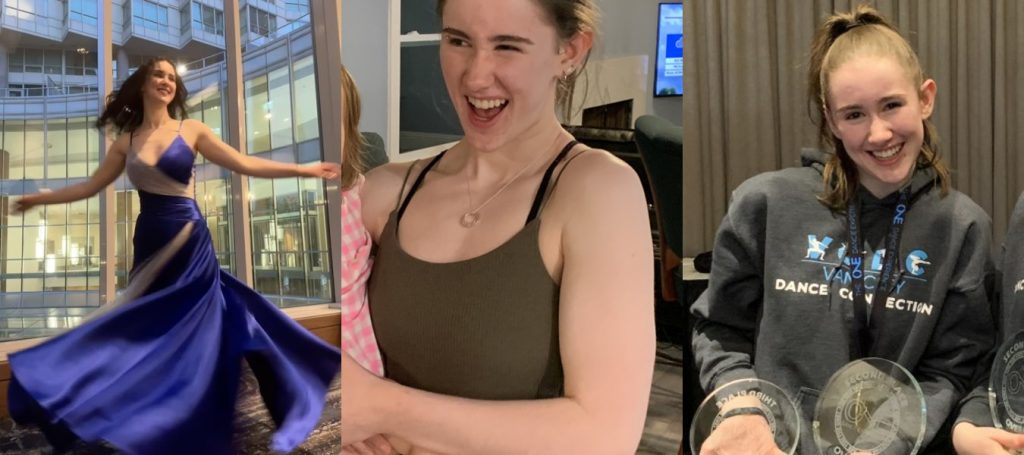
A coroner’s inquest into the 2024 overdose death of a University of Victoria student, Sidney McIntyre-Starko, concluded Thursday with recommendations for the university, paramedics, and the province.
The inquest heard from a total of 33 witnesses and experts. The testimonies provided aimed to understand the procedural failures contributing to the 18-year-old’s death.
McIntyre-Starko and two other UVic students ingested fentanyl-laced cocaine, leading to McIntyre-Starko and another girl collapsing. Miscommunications occurred between emergency dispatchers and security guards, delaying the administration of naloxone for 15 minutes, the inquest found.
CLICK HERE TO LISTEN TO 1130 NEWSRADIO VANCOUVER LIVE!While the other student was revived, McIntyre-Starko was resuscitated but was later declared brain-dead.
Deliberations wrapped up Tuesday, and the inquest jury presented 10 final recommendations Thursday morning.
The jury recommended that the university create a mandatory orientation session to be completed by students before the end of their first year, including information on the severity of the unregulated toxic drug crisis, how to contact 911 and campus security, how to get and administer naloxone, how to use an AED, how to find drug testing locations, and that there be no repercussions for requesting drug testing.
The university is also asked to train its campus security officers on the use of life-saving naloxone.
For BC Emergency Health Services, the jurors recommended that paramedics review policies on acquiring patient identification and monitor how long it takes an emergency call-taker to confirm the caller’s location.
They also recommended that the International Academy of Emergency Dispatch consider updating the system to establish a protocol for situations in which more than one person is unconscious and illicit drugs are involved.
For the provincial Ministry of Education and Childcare, the jury recommended that it begin educating high school students with CPR training, the use of AEDs, naloxone, and the risks of illicit drug use. Jurors say similar programs are run in other provinces.
Also, the ministry should create a program for in-person presentations to high schools on the toxic drug crisis, featuring the personal stories of drug users and/or loved ones of victims of the crisis.
“The evidence for that is personal stories were the kind of presentation that provided the greatest retention of the information that helped the one student [in McIntyre-Starko’s case] who did call 911,” the foreperson explained.
For the provincial Ministry of Post-Secondary Education, the jury recommends that it compel institutions to establish and label unique addresses within a campus and regularly install and update maps in every building; provide more emergency equipment to campus security; and schedule time for campus security to review protocols every semester.
The presiding coroner, Larry Marzinzik, certified the recommendations with minor amendments, thanked the five jurors, and closed the inquest before 11 a.m.
—With files from Greg Bowman and Jack Rabb.