Vancouver mayor pushes motion to block proposed overdose prevention site
Posted May 5, 2026 3:31 pm.
Last Updated May 6, 2026 12:00 pm.
Vancouver Mayor Ken Sim said Tuesday he was moving an “urgent” motion to block a proposed overdose prevention site at 900 Helmcken Street.
The mayor said he will direct city staff at Tuesday’s council meeting to “use all tools available” — which include permitting, licensing, servicing, and legal settlements — to prevent the opening of the site.
CLICK HERE TO LISTEN TO 1130 NEWSRADIO VANCOUVER LIVE!As well, he says the motion isn’t intended to only apply to this particular site.
“I’m giving notice that I’ll be bringing forward an urgent motion to council to explore every available tool available to us to pause or prevent the opening of this site or any site like it until a more comprehensive plan is in place,” he said.
“That includes reviewing permitting, business licensing, and past agreements, and ensuring that any proposal moving forward includes meaningful consultation, a clear public safety strategy, defined recovery pathways, and transparent accountability measures.”
During Tuesday evening’s Vancouver City Council meeting, councillors approved the mayor’s motion to block a proposed overdose prevention site.
According to the City of Vancouver’s voting record, all ABC councillors voted in favour of the motion, while the opposition voted unanimously against it.
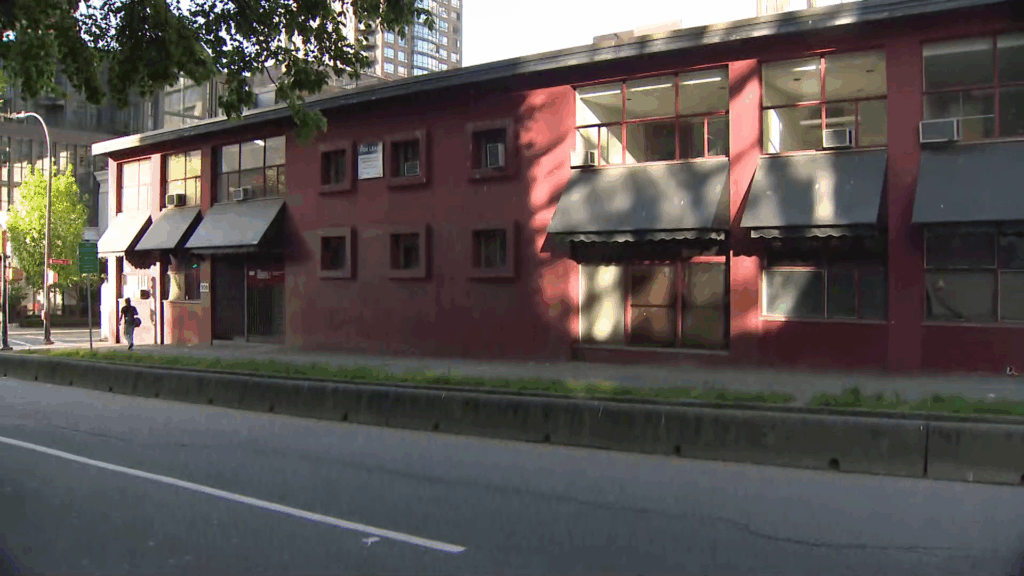
On Monday, Vancouver Coastal Health announced it had secured 900 Helmcken as its new permanent location for the site. It said in a statement that the Thomus Donaghy Overdose Prevention Site will be operated by social services provider RainCity Housing. In the release, it said overdose prevention is “evidence-based” and can reduce risks of death while connecting people to necessary supports.
Meanwhile, at least one advocate is pushing back against the mayor’s efforts to pause the site’s opening.
Harm reduction and recovery expert Guy Felicella says access is essential as the toxic drug crisis intensifies, driven by substances like fentanyl.
As well, he stresses that the site is not new but is actually a relocation of an existing service in an area with the city’s second-highest overdose rates, saying it is part of a valuable suite of tools to help those battling addiction.
“It saves lives for people in that area, and what often people forget is that we have recovery navigators at these services as well,” Felicella said.
“Then, half a block away, we have a detox service at St. Paul’s Hospital. We have a recovery service there and a stabilization unit as well. So all in all, it’s a full continuum of care that can really address a lot of the mental health and addiction issues that we see in our society, but also alleviate some of the public safety issues as well.”
He also says that with FIFA just around the corner, this is just another reason the site is important.
“We have the world’s biggest stage coming to Vancouver and obviously, like any city, it has its challenges with drug use and overdose events,” he said.
“This is definitely a good move, honestly, to reduce the public consumption that we see.”
According to Sim, opening another safe place to use illicit drugs in downtown Vancouver isn’t the answer to the city’s addiction and mental health crisis.
Sim says he has spoken with residents and business owners who are concerned about their safety.
“We’re talking about real lives, real businesses, real people that work in these places, real livelihoods,” he said Tuesday.
“I feel that now we are literally, we’re babysitting. We’re reacting to the province and the health authorities that, frankly, we feel that we’re not being listened to. And they’re running around doing stuff that we know doesn’t work.”
Sim says the Helmcken site is just the latest in a series of “failed OPS sites” after several were forced to close following complaints.
“When OPS sites were opened at 1100 Seymour and 1060 Howe St, surrounding residents and businesses experienced increases in disorder safety concerns, and calls for police service,” he said.
“In fact, calls in those areas nearly tripled.”
This sentiment was echoed by Jane Talbot, president of the Downtown Vancouver BIA, who stressed that safety remains her top concern.
“Over the past year alone within our district, we’ve seen a 33 per cent percent increase in open drug use and a 24 per cent rise in requests for our Safe Walk services…despite the presence of an OPS in our district,” she said
Dr. Patricia Daly, chief medical Officer at VCH, says just last year, 94 people lost their lives in the community due to the toxic drug supply.
Daly added that VCH is required by the province to open overdose prevention sites where the numbers warrant it. When it comes to the downtown core, she says the need is justified.
“We think this is the ideal location both to meet the needs of the community but also to address concerns neighbours may have had about previous sites,” she said.
But Felicella says the mayor’s argument that having the site in the area will increase crime is incorrect.
“They’re already complaining about the amount of people that they see on the street in those areas. Hence, putting a site there would reduce those issues and concerns that are in the community.”
The site was set to open shortly after June 1, when the lease is scheduled to begin.
— With files from Kurt Black and The Canadian Press