Vancouver asked to weigh in on paid parking city-wide
Posted January 27, 2021 12:51 pm.
Last Updated January 28, 2021 2:10 am.
This article is more than 5 years old.
VANCOUVER (NEWS 1130) – As Vancouver looks at eliminating free parking as part of its climate emergency response, the city wants to know what the public thinks of the idea.
Requiring parking permits around Vancouver would help reduce pollution and deal with parking issues, according to the city. To park on the street, residents would need a permit and there would be extra fees for “polluting vehicles built after the program comes into effect.”
If the plan is finalized, it would cost residents about $35 to $40 a year.
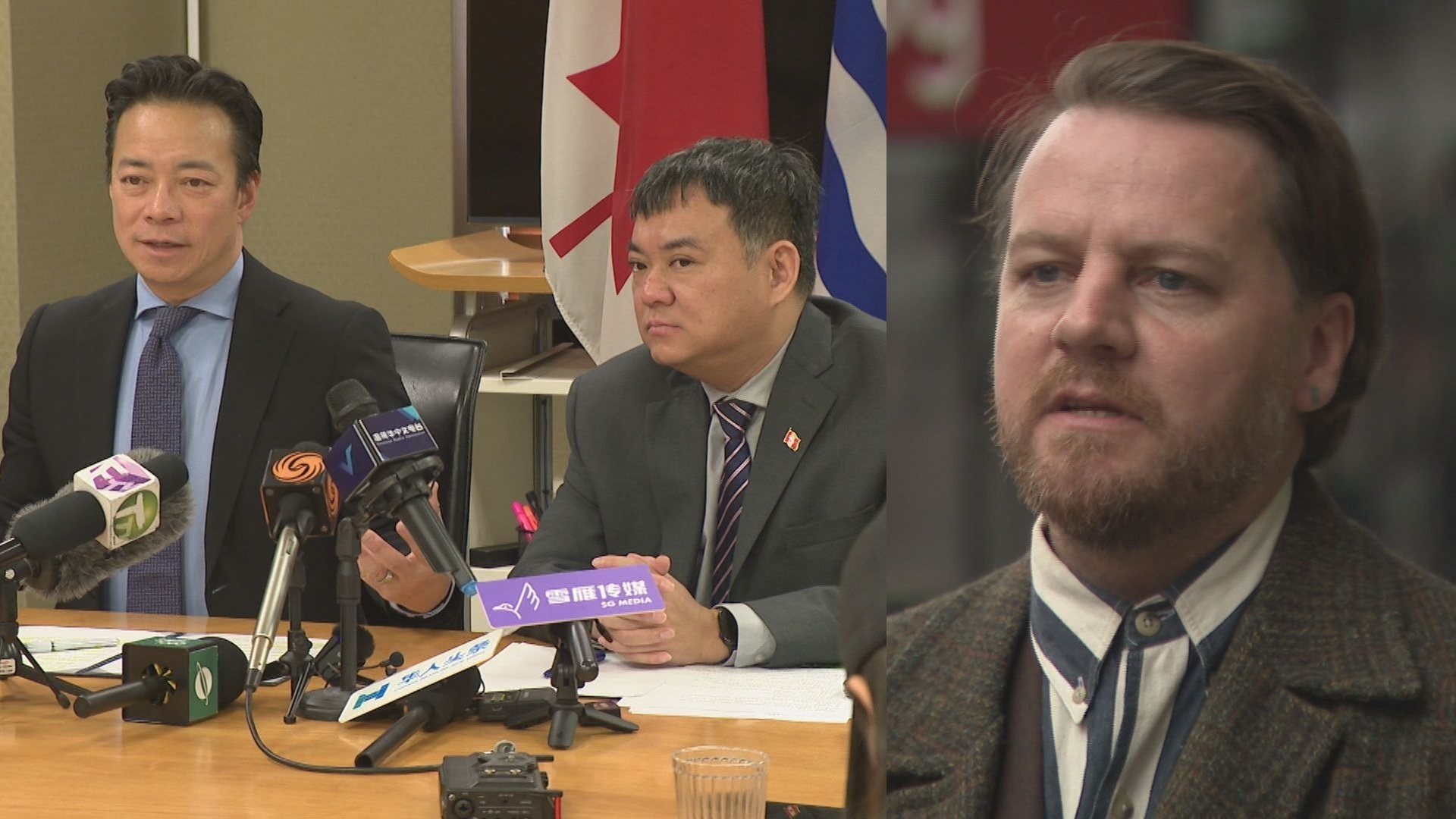
Coun. Melissa De Genova argues paid parking makes sense around the downtown core and busy hubs in the city to ensure only residents park in those neighbourhoods, but she doesn’t support getting rid of free parking across Vancouver.
“It certainly puts a gate of affordability around the city of Vancouver, and, unfortunately, I’m concerned that the livability in the city will decline,” she says.
RELATED: Vancouver city councillor pushing for year-round free parking for veterans despite staff push back
However, Coun. Christine Boyle says permits would mean people with mobility issues might have a better chance of parking near their home.
“I regularly hear from folks who say that they end up circling the block a lot [and] that they struggle to find parking on the street,” she tells NEWS 1130. “You can imagine it presents an extra challenge to be trying to bring groceries in when you’re parked two blocks from home.”
De Genova suggests the change would cause headaches for care workers and tradespeople who work in residential neighbourhoods but don’t qualify for a permit.
She also fears there will be unintended consequences if parking permits are needed across the city.
“I’ve already heard that it sounds like a cash grab from some residents, some of those people being vulnerable people, people with disabilities.”
Boyle, however, insists there’s value in implementing more paid parking focused on addressing climate change.
“The revenue that a program like this creates will go right back into other actions that help us reduce emissions,” she says.
Boyle argues permits will also encourage people to move vehicles that are being stored on the streets into garages.
Boyle adds transportation-related emissions are about 40 per cent of the city’s total emissions.
Once public consultation has ended, results will go into a proposal of a plan that will come back to council. Boyle says a permit program could be implemented by the end of the year.
Jeremy Hunka with the Union Gospel Mission says this process needs to be considered carefully, adding it could have unintended consequences on the city’s homeless population.
“Many people in the city live or sleep in their vehicles or RVs just to by. Potentially adding another ticket, permit or bureaucratic step could really make things more difficult.”
Hunka stresses many of those living in vehicles are already in a difficult position, and if the city doesn’t properly consider the needs of the homeless community, they may feel like they’re being pushed out of the city altogether.
“Depending how it’s implemented and depending on how we consider those needs, it might make things a lot harder for a lot of people who are struggling. It requires careful, deliberate action to include and listen to those who could be most adversely affected by this.”
The survey is active until Feb. 28.
-with files from Kurtis Doering