B.C restaurants hope vaccine card will prevent further restrictions during holidays
Posted December 16, 2021 12:50 pm.
Last Updated December 16, 2021 6:39 pm.
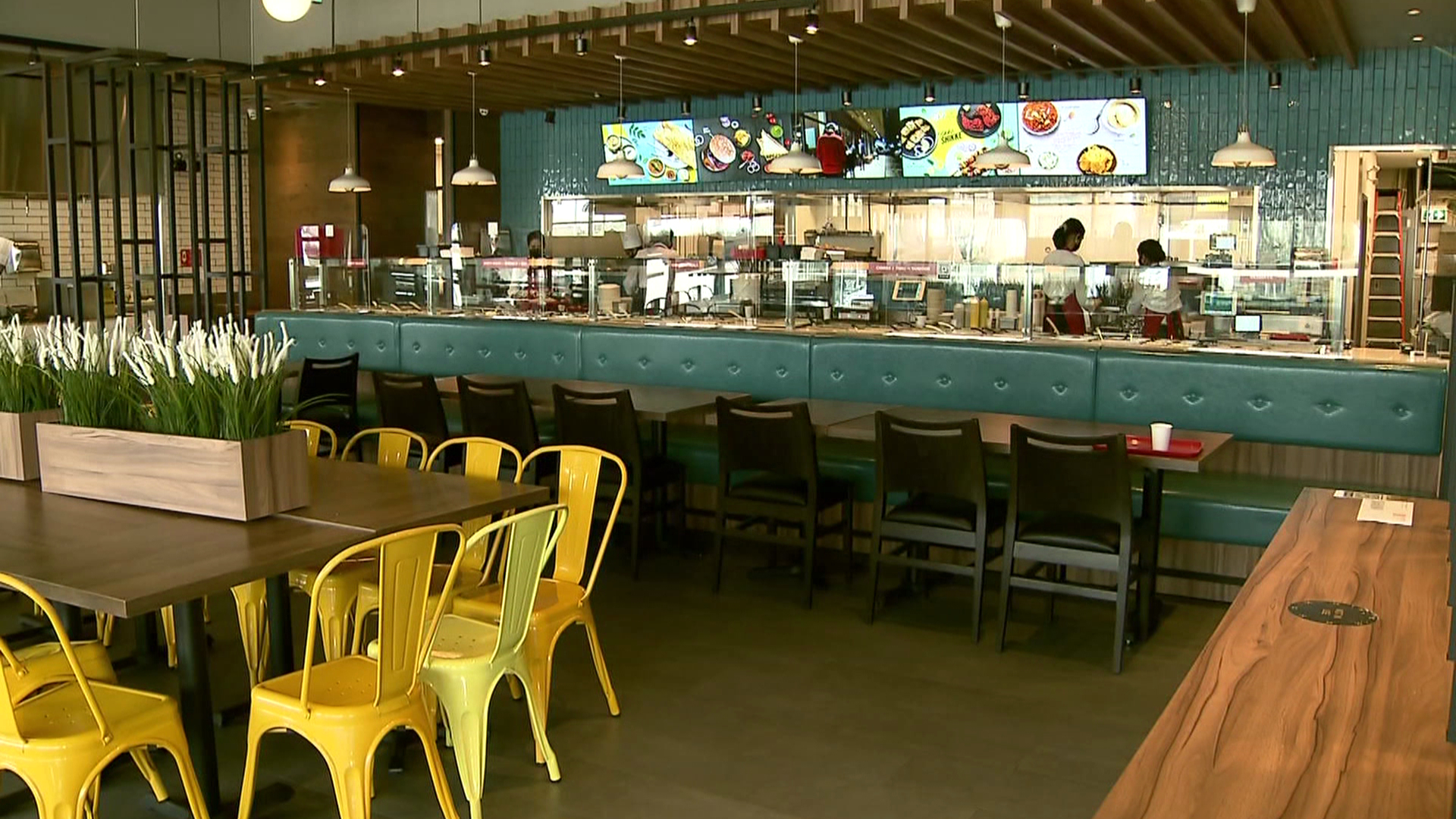
With the prospect of increased COVID-19 restrictions looming, those in B.C.’s hospitality industry are hopeful they won’t see their hard-hit sector targeted yet again.
On Wednesday, Health Minister Adrian Dix said the province is reviewing public health orders amid increasing case counts of the virus and the presence of the highly-transmissible Omicron variant.
Jeff Guignard, the executive director at Alliance of Beverage Licensees, says members are willing to cooperate with any measures — but adequate warning will be crucial.
Last year, B.C. announced a last-minute ban on liquor sales after 8 p.m. on New Year’s Eve. The subsequent flurry of cancellations cost the industry “thousands and thousand of dollars,” according to Guignard.
“We’ve been cautiously optimistic we’re gonna have a good season. Part of our challenge is we always just need some time to plan we’re gonna need a bit of notice,” he said.
“We basically just need the notice of to do so we can tell our customers what to do — whether or not we’ll be able to serve them through the evening, whether or not we’re going to have to have restrictions on table sizes or distance — all those kinds of things.”
Related Stories:
-
B.C. COVID-19 restrictions under review ahead of holidays as cases jump
-
Rising Omicron variant cases prompt call for heightened B.C. response
-
No new restrictions for B.C. in face of Omicron but small holiday gatherings recommended
A key difference between this holiday season and last is the province’s vaccine card program. Only fully vaccinated British Columbians are allowed entry to bars, pubs, and restaurants. This measure is one of the reasons Guignard is hopeful the industry will be spared and limits on liquor sales won’t be imposed.
“You can’t go with a single individual and sit at a bar without showing that you’re vaccinated. Arbitrarily ending liquor sales at something like 10 p.m., I’m not sure how that stops the spread of the virus. Additionally, what that would do is people immediately cancel a large number of their New Year’s Eve reservations. You don’t go to celebrate New Year’s Eve at 6 p.m. and go home at nine, right?” he said.
“Last year when we had no notice. People cancelled their reservations the day of and they moved to have house parties instead, which led to an increase in infections. That’s the one we’re worried about because it actually would have a negative impact on our businesses, and have a negative impact on transmission rates throughout the province as well.”
Some members, Guignard says, have already reported cancellations for New Year’s Eve because people just aren’t sure when or how the rules could change. Furthermore, some people are preemptively changing plans because they want to minimize social contact ahead of planned gatherings with family.
Todd Barclay, CEO, and president of Restaurants Canada, says there’s industry-wide anxiety leading into the holiday season.
“Most operators that I’ve spoken to over the last couple of days and few weeks, they’re definitely on pins and needles as things progress,” he said.
“There certainly are some reservations and some locations that are being cancelled, but thankfully that isn’t the norm. I am definitely hoping, and the industry is hoping, that we can continue to have a good holiday season as we close out December.”
Like Guignard, he points to the efforts restaurants have made to make sure they can keep the doors open to stave off further losses and closures.
“Certainly the industry has been hammered through COVID, it has been extremely devastating for us,” he said.
“We spent, across the country, hundreds of millions of dollars on various different forms of PPE and safety precautions. In most regions across the country, you’re also required to be vaccinated to enjoy experiences and restaurants. It is a safe place for family and friends to come together.”
When capacity limits on indoor events were lifted in October, banquet hall owners like Vancouver’s Sunil Khanna saw a substantial uptick in bookings.
“Once they announced full capacity, it’s been quite busy with Christmas parties,” he said.
The prospect of limits on indoor gatherings like weddings and parties could see some of those cancelled.
Related Video:
Ontario on Wednesday announced a 50 per cent capacity cap on events of 1,000 people or more — including sports games, and concerts.
Spokespeople for both Rogers Arena and BC Place tell CityNews they have not been informed of any new restrictions on large events, but will adapt if necessary to comply with any new health orders.
The prospect of reduced crowds at events like Canucks games is something that could also have an impact on the hospitality industry.
Ian Tostenson, with the BC Restaurant and Foodservices Association, says that possibility is more of a concern for him than restrictions on restaurants themselves.
“I don’t feel that we’re particularly vulnerable, not like we were last year,” he says, also noting that vaccines are mandatory for patrons.
He does, however, say he can imagine some tightening of limits on movement within restaurants, such as discouraging mingling between tables. Overall, he says he thinks the focus is likely to be on informal, indoor gatherings where proof of vaccination is not required.
“I don’t think that people should be cancelling their reservations. I don’t think it’s necessary,” he said.
“I think what people should be thinking about is — like we did in our family — who you’re going to have at your Christmas table, and and keeping that that social environment which is informal and not structured, really tight and responsible.”