B.C. Indigenous education requirement ‘big step’ to reconciliation: First Nation leaders
Posted March 9, 2022 10:32 am.
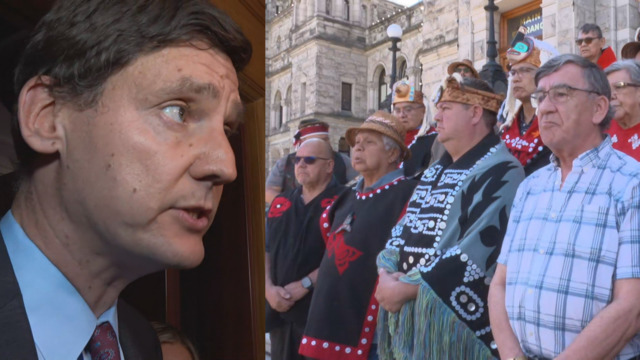
B.C. high school students will soon have to expand their understanding of Indigenous perspectives and histories before they can graduate, and the change is getting very positive reactions from First Nations leaders and community members.
“I think it’s a big step in decolonizing our education systems and our schools,” Chief Judy Wilson with the Union of B.C. Indian Chiefs said.
The curriculum change is just one of the items in the province’s action plan on the United Nations Declaration on the Rights of Indigenous Peoples, and is set to begin next fall.
Related Articles:
-
B.C. to require Indigenous-focused education for high school graduation
-
Orange Jersey Project aims to help Canadian youth further reconciliation through sport
-
Canada marks first National Day for Truth and Reconciliation
“It’s actually going to be telling the truth about our Indigenous nations, their peoples, their histories, and who we are,” Wilson said, adding “our own Indigenous people will be leading that process.”
The curriculum is the work of the First Nations Education Steering committee (FNESC), which guided the Ministry of Education on how to implement the changes.
“A lot of history in our schools starts with the settlers,” Squali’qwana, the principal of Aboriginal Learning at Surrey Schools said. “But Indigenous people have been here since time immemorial. So, it’s really learning about their cultures, their histories, their knowledges since the beginning of time. Which has never been part of our history books, and our classrooms.”
Squali’qwana used to work at FNESC and says they have long advocated to have Indigenous education be a priority in the school system.
“It’s been a dream of ours for so long to have our courses be a requirement as opposed to an optional elective that wasn’t seen as important,” she said.
Minister of Education Jennifer Whiteside spoke with OMNI Television on Monday and says the province is excited to bring these courses in.
“They’ll see a list of all of the courses that are already on our books, that are already available to be offered …courses like the First Nations English course,” she said.
“There are other courses that fall under social studies or under English Literature… there is also an opportunity for local school districts to work with local First Nations to develop specific courses, that are specific to a particular region,” Whiteside said.
She says details are still being worked out, and the province is asking parents and educators for feedback on the Engage B.C. website.
With files from Charlene Ling