B.C. prepares for spring floods, summer wildfires
Posted April 13, 2023 3:31 pm.
The B.C. government says it’s prepared for an increase in flooding this spring but is not yet sure how bad this year’s wildfire season will be.
The province says rainfall statistics from Environment and Climate Change Canada (ECCC) indicate virtually all of B.C. has experienced below-average levels of precipitation dating back to July 2022. The snowpack on B.C.’s mountains, meanwhile, is hovering around expected averages.
Residents in lower-lying areas of B.C. near higher snowpacks are being warned of the potential for flooding in the months ahead. These areas include parts of the Fraser Valley, the Interior, and the Lower Thompson. May and June are identified as the highest risk times for flooding.
Read More: B.C. temperature records continue to fall as wildfire smoke chokes Pacific North West
Despite the near-normal snowpack levels, much of the province is still experiencing drought after an unusually dry October that was followed by a quick entry into winter. The province says precipitation levels over the spring and summer could determine whether or not B.C. remains in a drought.
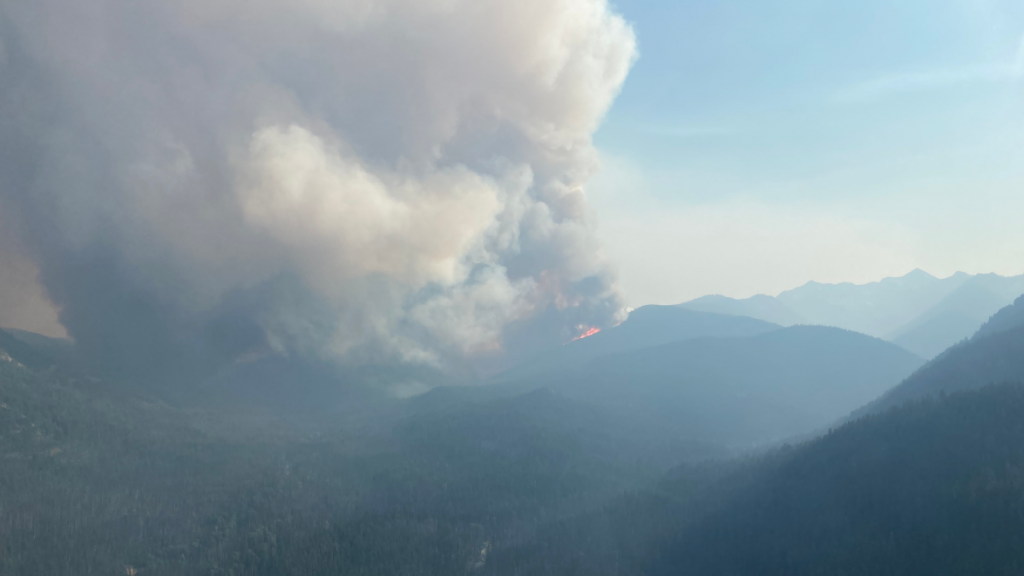
The severity of this summer’s wildfire season, the province says, could also be dependent on rainfall levels over the next couple of months.
“The number and severity of wildfires in July and August will be largely dependent on the amount of rain received in June which cannot be accurately forecast this far in advance,” the province said.
Due to the arid conditions experienced over the past nine months, the province is already seeing some wildfire activity.
“As a result of drought conditions, the BC Wildfire Service is observing more advanced fire behaviour than what is typical at this time of year,” said B.C. Minister of Forests Bruce Ralston. “Given the current conditions, we are urging the public to exercise caution as the majority of spring wildfires are caused by people and are therefore preventable.”
Related Stories:
-
Wildfires light up parts of B.C. just days into spring
-
Metro Vancouver regional park reopens after Coquitlam wildfire
Whether it’s flooding or wildfires, B.C. Emergency Preparedness Minister Bowinn Ma is encouraging people to be ready for anything.
“That means having an evacuation plan, building an emergency kit, and preparing a grab-and-go bag in case of an emergency,” she said at a news conference Thursday.
The province recommends you have things like food, water, batteries, clothing, and cash, among other items in your emergency kit.
You can find a full list of items here.