Political experts discuss issues one year out from B.C.’s municipal elections
Posted October 17, 2025 7:48 am.
Last Updated October 17, 2025 3:48 pm.
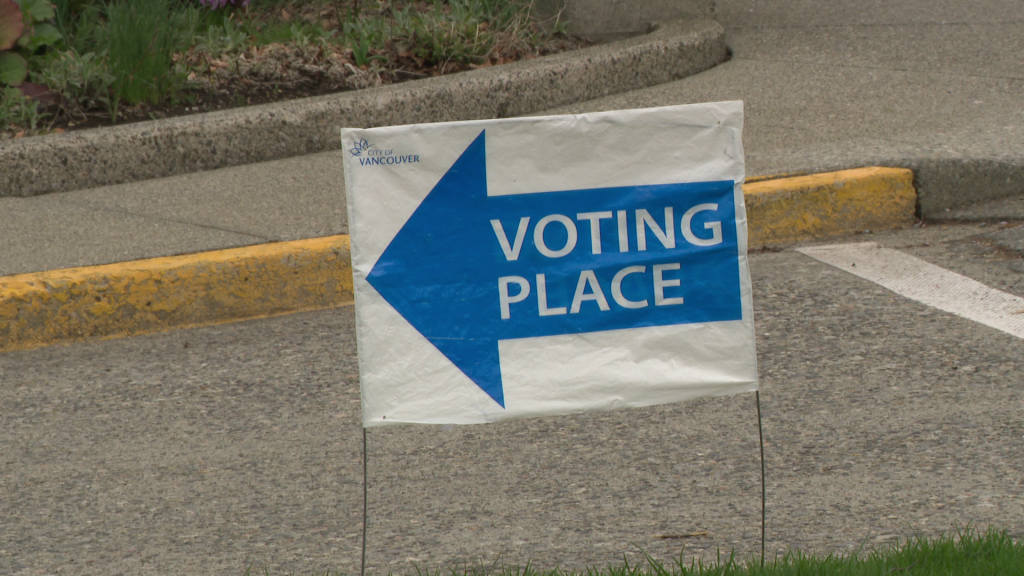
In exactly one year — almost two years from the last B.C. provincial election — voters will head back to the polls for civic elections.
Many of the issues that dominated the provincial election remain relevant, including public safety, homelessness, affordability, taxes — specifically property taxes — and housing.
CLICK HERE TO LISTEN TO 1130 NEWSRADIO VANCOUVER LIVE!“We’ve seen housing climb the charts as a federal issue, as a provincial issue, but also as a municipal issue. The idea that it’s becoming very hard for people to establish themselves in a city like Vancouver. It might also play a role in the way other races, municipally, go,” Pollster Mario Canseco, president of Research Co., tells 1130 NewsRadio.
He adds that one outstanding difference from 2022 is that many people have announced their candidacy earlier than usual.
Canseco points to Surrey as one example, where Mayor Brenda Locke is fighting for her political life, going up against Coun. Linda Annis, who has already announced her team.
In Vancouver, he says announcements this year mark the earliest the city has seen new candidates for mayor.
“We can [look] back to the processes of 2018 and 2022, and you didn’t have people who hadn’t run for office before announcing so early. You have Kareem Allam, you have Rebecca Bligh. It’s a little bit different with Ken Sim in 2022 because he had run as a candidate in 2018 and kept that going.”
Canseco explains that there are both pros and cons to candidates declaring over a year out.
“You have the benefit of saying you want the job and to have a year of campaigning behind you, but it’s also problematic when your rivals can zero in on some of the things you want to do and then have time to develop policy to counter it.”
Richmond and Coquitlam’s mayors are not seeking re-election.
“And it’s tough to tell whether somebody will run in Burnaby,” added Canseco.
“They didn’t have anybody challenging the mayor the last time, and that led to a very dismal voter turnout that was lower than 20 per cent, so that’s also part of what happens. When the race is compelling and there are a lot of arguments behind it, you’re bound to have a higher voter turnout, but in the City of Vancouver, we haven’t hit 50 per cent since 2002. It’s been steadily dropping because of the way people feel about the candidates and the fact voters in the city just don’t look at municipal issues with the same emphasis as they do provincially or federally.”
Burnaby Mayor Mike Hurley hasn’t publicly declared whether he will run again.
Canseco thinks British Columbians’ frustrations will guide them at polling stations — especially in Vancouver.
“Cost of life is always an issue municipally, but more than anything, the voters are worried about the services that are going to be provided to them and the fact the city needs to become a place where people can settle. I think what we’re seeing now is second-generation, people who are right now in their 20s finding it very hard to stay in the city or to purchase a home in the city, which is making them move elsewhere.”
Canseco says voters can become tired of elections or apathetic, not knowing about the candidates.
“There are things that can make this a more compelling exercise, especially if we end up having a referendum on the Vancouver Park Board, which would happen at the same time as the election. But it’s always when there’s a significant issue of concern, that is the moment municipal turnout tends to be higher. The onus is on the candidates to present something is very compelling, but it’s difficult to do when your voter is more likely to be a homeowner, in a city where half of the people are renting.”
UBC Political Scientist Stewart Prest thinks people are angry with the issues listed above, and that will determine how they vote. But he worries that not enough people will vote.
“There may not be a close understanding of just how much municipal politics matters in our day-to-day lives. It’s the level of government that matters the most in terms of getting garbage picked up, clean water, community centres — it’s the one we rely upon. I think we’re at a moment of heightened scrutiny of politics, and so there’s always a possibility of change. And I do think, to some degree, there is a sense of frustration with governments for the last number of years. And it’s pretty clear… what voters seem to reward… is government that can govern effectively; can take care of business and move the city into a coherent and meaningful direction.”
He thinks both Vancouver and Surrey — two communities that make up a big chunk of the Metro Vancouver region’s population — will be key battlegrounds.
Some high-profile mayors who haven’t said if they’re running again include Brad West in Port Coquitlam, George Harvie in Delta, Patrick Johnstone in New Westminster, and Meghan Lahti in Port Moody.