Premier announces increased response to extortion crisis south of the Fraser River
Posted February 3, 2026 2:29 pm.
Last Updated February 4, 2026 6:37 am.
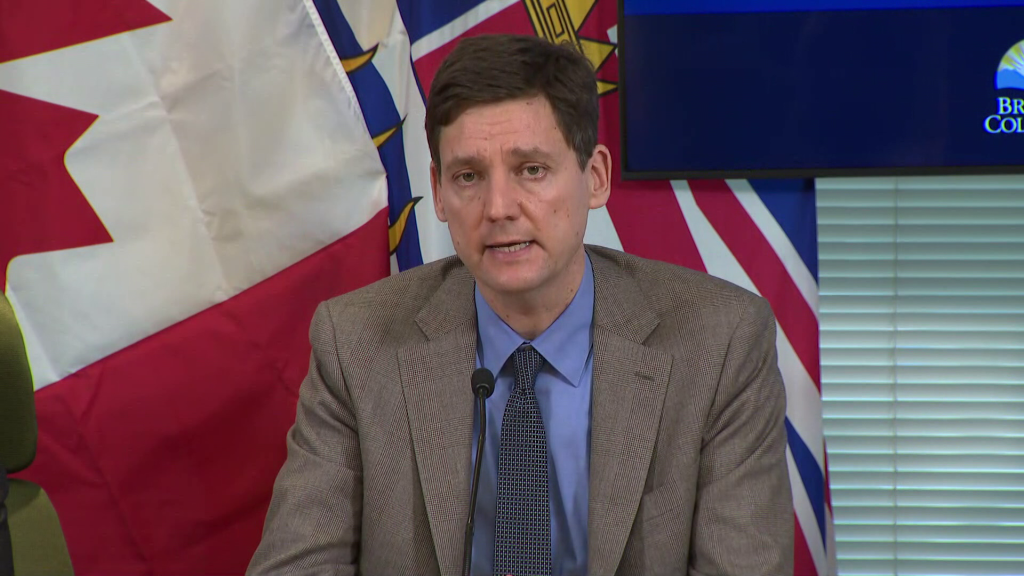
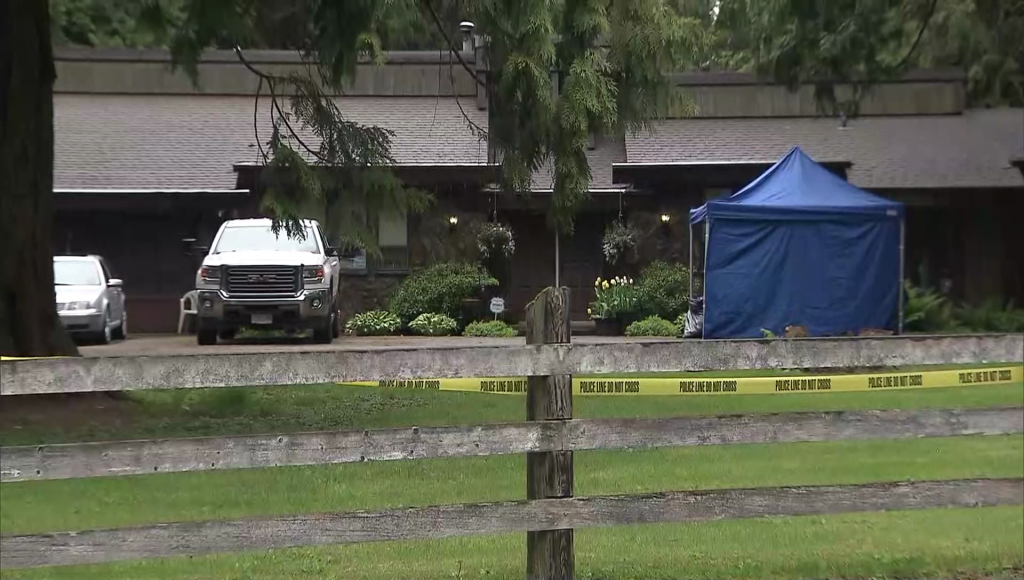
Premier David Eby has announced a number of changes to address the province’s response to the ongoing extortion crisis, which he referred to as a “slow-motion terror attack.”
Eby met with Surrey business leaders Tuesday to hear their concerns and provide an update on extortion work in the province.
At the meeting, Eby said a community advisory group will be created to work with BC’s Extortion Task Force, with a chair being announced Wednesday.
“We will be selecting community members who will work with police to ensure that they understand the frontline experience of people related to the extortion threats south of the Fraser and are able to close gaps within their own services,” he said.
In addition, he said he has made an agreement with Surrey Mayor Brenda Locke to allow the province’s police board appoinments to lapse, “leaving vacancies on the board, and the vacancies will only be filled by candidates of mutual agreement between the mayor’s office and the provincial government through our public safety minister.”
He says the goal is to deliver what local policing is “meant to be in Surrey.” That would look like a police board representative of the community and directing policy in accordance with community priorities, he added.
Surrey Police Service Chief Norm Lipinski said in a statement he supports Eby’s call for additional support to combat extortion.
“While significant work has been done by SPS and our policing partners, it is clear that, collectively, we must do more,” he said. “I welcome the formation of a new community advisory group and look forward to listening, learning from lived experiences, addressing fears and concerns, and tackling this challenge together.”
Mayor Locke is in Ottawa this week to push for greater action on the national level.
She is planning to repeat her call for the appointment of a Commissioner for Extortion Violence Against Canadians to oversee the deployment of a federal organized crime unit and intelligence resources in Surrey.
Eby said in the next two weeks there will also be a meeting of police leadership from forces across the country including the RCMP to identify gaps in communication, information sharing a resources on the issue nationally. He said he is willing to support on any issues that are identified to “deliver the services people expect”.
“Making sure those lines of communication are open is critically important,” he added.
He is also calling on the federal government to expedite the votes on Bills C-12 and C-14 which he said will close loopholes and “directly result in improved outcomes in terms of arrests related to extortion”.
Bill C-12 has faced criticism from sections of the legal community, groups representing refugees and civil liberty proponents.
The Canadian Civil Liberties Association said in its submission that the bill will prevent many refugees from accessing a fair assessment, while granting government “wide-ranging discretion” to pre-empt, suspend or terminate immigration applications and to alter or revoke immigration documents for what the group called “undefined” reasons of public interests.
– With files from The Canadian Press