B.C. bans the breeding, transport, and future ownership of exotic cats
Posted April 30, 2026 5:42 pm.
Starting May 1, the Province of B.C. is banning the breeding, transport, and future ownership of exotic cats under the Controlled Alien Species Regulation (CASR).
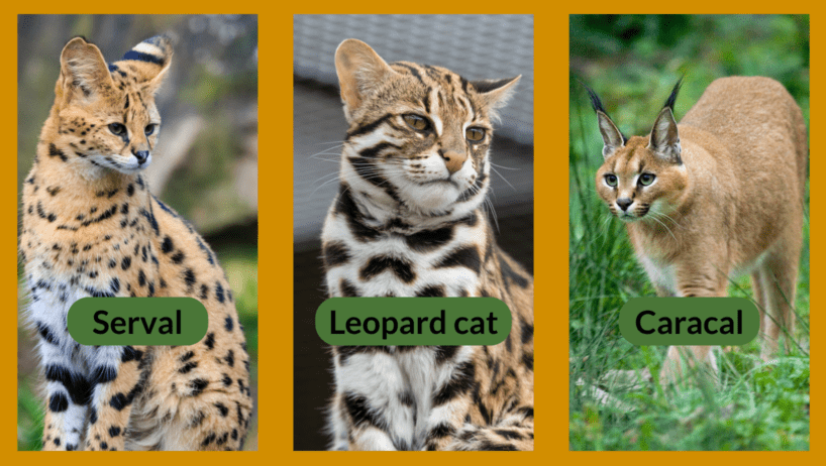
The new ban affects newly designated controlled alien species including non-domestic and non-native cats, such as servals, caracals, ocelots, European and African wildcats, Asian golden cats, fishing cats, jungle cats, and marbled cats, as well as hybrid cats within four generations.
CLICK HERE TO LISTEN TO 1130 NEWSRADIO VANCOUVER’S LIVE TRAFFIC UPDATESPeople who already own these exotic cats must apply for a free permit for their cats before May 1, 2027, to keep their pets for the remainder of their animals’ lives.
“It is nearly impossible for exotic cats to express their natural, wild behaviours in captivity” said Dr. Sara Dubois, senior director, Animal Welfare Science & Standards at the BC SPCA. “When exotic cats are not free to express their natural behaviours, they may become depressed, destructive or resort to self-mutilation.”
The changes to the CASR come under the Wildlife Act and are intended to strengthen protections for public safety, animal welfare, and ecosystems.
Exotic cats species have previously posed risks to public safety, pets, and wildlife, and cannot be safely cared for in residential homes.
These cats are hunters, and, if they escape or are released, can hunt and kill wildlife, like birds, small mammals, and reptiles. This puts additional pressure on vulnerable species.
They can also damage vegetation, nesting areas, or other critical wildlife spaces.
Large exotic cats, such as lions, tigers, jaguars, leopards and cheetahs, are already regulated under CASR in B.C.
Recognized domestic hybrid breeds, such as Savannah, Bengal, and Chausie cats, are not included and may continue to be kept as pets without a permit.
However, hybrid cats that are not part of a recognized domestic hybrid breed and have a wild ancestor within four generations are considered controlled alien species and require a permit under these changes.
Current owners who apply for a permit to keep them must do so within the year. To qualify, owners must provide proof of identification (microchip or tattoo) and sterilization, as well as meet basic care and safety requirements, including secure and proper enclosures.
Owners will also have to agree to restrict public contact with their cats. They cannot be displayed or allowed to interact with people outside the owner’s household.
To apply for a permit, owners can go to this website.