Myles Gray’s family calls for mental health call changes as coroner’s inquest begins
Posted April 17, 2023 1:21 pm.
Last Updated April 17, 2023 9:25 pm.
The coroner’s inquest into the 2015 death of Myles Gray in Burnaby is underway, with the man’s family hoping it results in changes to how mental health calls are handled by police.
While testifying at the inquest Monday, Myles’ sister, Melissa, alleged officers with the Vancouver Police Department lacked the skills or knowledge to handle vulnerable people in distress, or at least did that day.
“I just don’t think they’re equipped to do it. I am a psychiatric nurse so I know there’s CAR87 that exists where they have a travel-along nurse, and I think there needs to be more of that because mental health is a huge epidemic,” Melissa said.
“There will be recommendations. So with an inquest, I would say, we would recommend that they take notes, be held accountable, body cams, more training, verbal de-escalation,” she added of the changes she’d like to see as a result of the inquest.
Related articles:
-
Myles Gray’s mom holding out hope for justice in son’s death in VPD custody
-
Vancouver Police officers won’t be charged in 2015 arrest, eventual death of man
-
B.C.’s public safety minister concerned by delays in justice for those killed by police
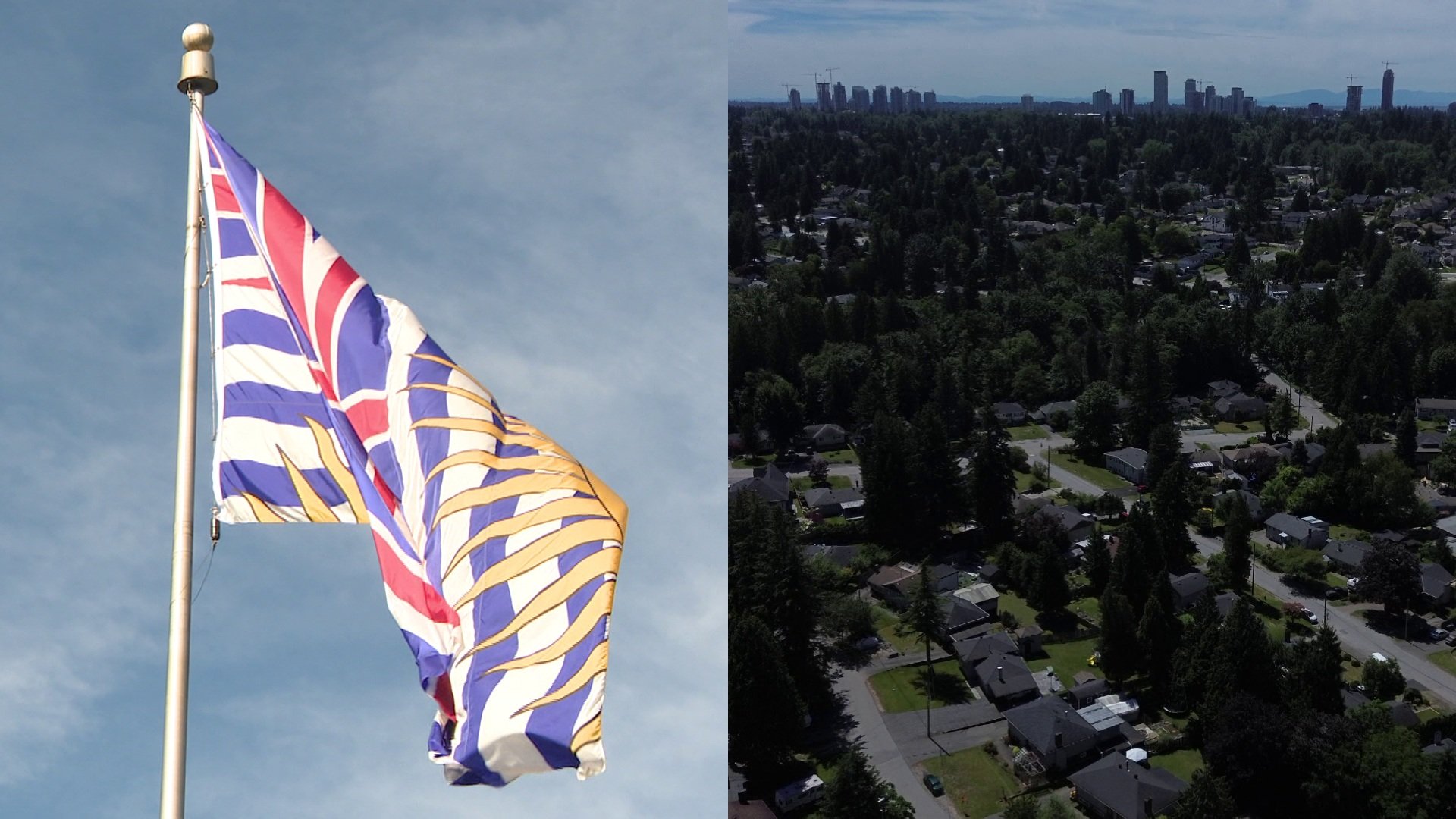
Myles died after an altercation with several Vancouver Police officers in the backyard of a home near the Burnaby/Vancouver border. The incident began when he confronted a woman for watering her lawn during a drought.
The 33-year-old was so badly injured that an autopsy couldn’t identify the cause of death.
While the Independent Investigations Office of BC (IIO) recommended criminal charges against the officers involved, the BC Prosecution Service ruled there was not enough evidence to approve them.
Though an inquest can’t lead to punishments, Melissa says she’d like the officers involved in her brother’s death to lose their jobs.
Melissa told the inquest Myles was a fun-loving guy who made friends easily. She acknowledged her brother was bipolar but feels that doesn’t justify the level of force police used on him.
“There needs to be more people who know how to deal with it and de-escalate and treat somebody with compassion and empathy, because that’s what this is about, right? He was a human being.”
-With files from Angela Bower and Emily Marsten