B.C.’s Filipino community supports building a cultural centre to share heritage: report
Posted July 25, 2025 10:03 pm.
Last Updated July 27, 2025 1:45 pm.
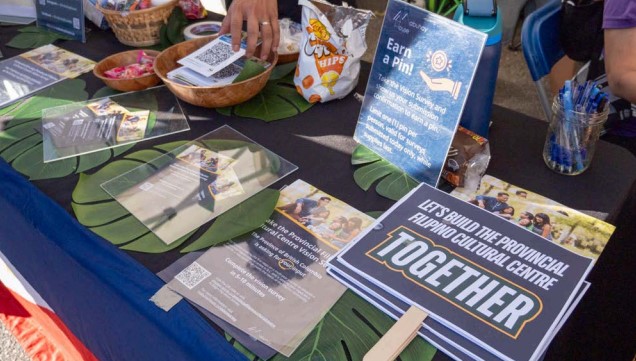
The Filipino community in British Columbia has a shared vision for a new provincial cultural centre to celebrate its heritage, according to a new report.
The What We Heard report, which was put together by the B.C. government in conjunction with the Mabuhay House Society, says the centre would be dedicated to “community spirit, recognition, and representation.”
“This survey and report help ensure that we recognize Filipino Canadians’ impactful contributions to B.C. in a way that honours their needs and desires,” said Amna Shah, B.C.’s parliamentary secretary for anti-racism initiatives, mental health, and addictions.
“We look forward to continuing to work alongside the community to realize their vision and move forward in our collective goal of building a province that is more inclusive and representative.”
Mabuhay House Society chair Lester de Guzman says the report’s findings recognize three distinct themes.
“One is the Bayanihan spirit, where we’re united as a community,” he said. “Second, we also have the learning space, and at the same time, we need the recognition for our efforts as a Filipino Canadian community in B.C.”
The report is based on the results of a public engagement survey conducted from May to December last year. More than 1,200 responses were received.
De Guzman says the findings are about a lot more than just data.
“It reflects our dreams, our pride, and our shared identity as Filipino Canadians,” he said.
“Through the incredible work and support of our volunteers, community members, and organization, this report is a testament to a strong Filipino value of Bayanihan spirit, a spirit of communal unity, and co-operation.”
However, some argue the report is redundant. Filipino BC says it already conducted community engagement research, hearing back from about 60 per cent more people than the province did, and releasing its report back in February. It even had the same title.
What We Heard comes three months after 11 people were killed in the Lapu-Lapu Day tragedy, one of the worst attacks in Vancouver’s history. The new report gives a clearer sense of what the Filipino community wants to see in a cultural community centre: a place for connection that was being asked for long before the tragedy made it even more necessary.
“It feels like it’s been years ago, and yesterday at the same time,” said Kristina Corpin-Moser, the executive director of Filipino BC.
“It’s been a long-standing dream of the Filipino community for, on and off, 40 years.”
De Guzman says the next steps include finding a site for the cultural centre, with the government now working with local groups to move the project forward.
“I think what’s important now is, what does the province do next? Like, what is the follow-through beyond this report?” Corpin-Moser said.
“Because now we have two reports that have the same findings.”
While the community looks to build a new space to connect, grow, and heal, six people remain in hospital as a result of the Lapu-Lapu attack. The alleged perpetrator, Kai-Ji Adam Lo, awaits legal arguments to conclude that will determine whether he’s fit to stand trial and face the 11 counts of second-degree murder he’s been charged with.
According to the B.C. government, Filipino Canadians are the fourth largest visible minority in the province.
— With files from Michael Williams.