Will Canada’s new airline refund, rebook policy ease travel concerns?
Posted September 8, 2022 7:43 am.
Last Updated September 8, 2022 7:46 am.
As new Air Passenger Protection Regulations (APPR) go into effect in Canada, it remains to be seen whether the new measures will actually improve your ability to get off the ground.
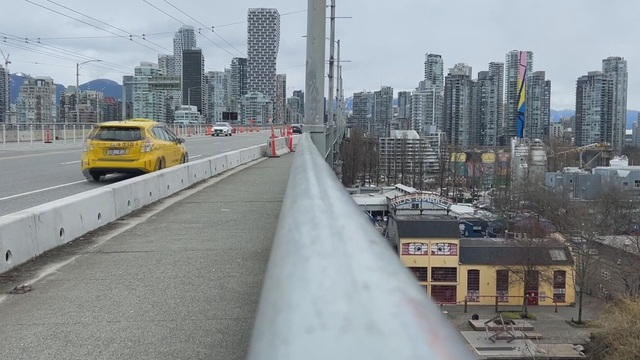
A Vancouver man is among the many people across the country who’s dealt with his share of frustrations when it comes to delays or cancellations. He’s currently considering legal action after waiting for compensation following an extreme travel delay in July.
Related articles:
-
New air passenger protection kicks in across Canada on Thursday. What you need to know
-
Random COVID-19 testing for fully vaxxed travellers resume at Canada’s major airports
-
YVR apologizes after massive airport delays Sunday
Braden McMillan and his wife were heading to Washington, D.C., from Vancouver International with Air Canada.
In all, their flight was delayed more than 35 hours. They ended up getting stuck overnight in a city they weren’t supposed to be in.
They’ve each filed claims and despite being out about $3,000, have only been offered a $500 voucher.
“You’d like to think that they’d at least send an email letting you know that they’re not going to respond within the mandated time, but no, that’s not the case. I’ve inquired a few times about where it’s at and there’s just no response back,” he told CityNews.
“They say they’re going to reply by said dates and they don’t. There’s just kind of no accountability or repercussions for them not doing it, and I’m ignored. I’m just kind of ghosted — it’s like a bad online date gone wrong and I’m at the restaurant all by myself.”
Until Sept. 8, 2022, under Canada’s (APPR), when there was a flight delay of three hours or more, or a cancellation, outside of the airline’s control, all airlines were required to rebook affected passengers on the next available flight offered either by that company or a partner, free of charge.
If a disruption was within the airline’s control, the company was required to refund the passenger “if the alternate travel arrangements it offered did not meet the passenger’s needs.”
But McMillan says he is still waiting. He has gone to the Canadian Transportation Agency, too.
“I’m considering legal options, including small claims, if I have to. I want the bare minimum of getting my out-of-pocket money back. You know, a $500 voucher, in my opinion, just isn’t going to cut it,” he explained.
New regulations
Under new regulations, starting Sept. 8, if a flight is delayed three hours or more or is cancelled and the circumstances are outside the airline’s control, and if the airline is not able to provide the passenger with a confirmed reservation on the next available flight by that airline or a partner within 48 hours of the initial departure time, the passenger is given the choice of either a refund or alternate travel arrangements, free of charge.
Those alternate arrangements includes the requirement for the large airlines to “rebook the passenger on the next available flight of any airline, including competitors.”
“Passengers are free to change their decision and choose a refund at any time before being provided a confirmed reservation on an alternate flight,” the Canadian Transportation Agency writes in its updated regulations.
Should a passenger choose a refund, the airline “is required to refund the unused portion of their ticket,” which also includes any unused add-ons, like the cost of additional checked luggage.
Passenger rights regulations don’t address flight disruptions: airlines
However, the changes aren’t being welcomed by all.
Jeff Morrison, president and CEO of the National Airlines Council of Canada, feels airlines are being singled out.
“So the fact that these expanded regulations are putting responsibility solely on the airlines is not going to address, or improve, or minimize flight disruptions, which is really, at the end of the day, what we all want,” he said.
“The problem with (the new regulations), aside from the fact that it’s really just very unfair, because of course there are multiple, multiple organizations and entities in the air travel experience, including customs officers, the navigation system, the airport itself, and have been the cause of many of the disruptions we’ve seen over the summer.”
Morrison says airlines should not have to be accountable for “everything within the air travel system,” adding the position that they should “is faulty.”
“There is a certain frustration and I think it is, in part, because of the fact that there is really a lack of understanding about the complexity of air travel in Canada, including sometimes, we feel, on the part of the federal government,” he told CityNews.
The new regulations come after travellers across Canada faced major delays and lineups at airports over the summer and longer.
Much of the disruptions were caused by staffing shortages affecting not only airlines but also security and border personnel.
There have also been many complaints about baggage pileups and lost items as airports welcomed back larger crowds as travel ramped up after many pandemic restrictions were lifted.