B.C.’s wildfire danger rises as tinder-dry conditions take hold
Posted June 1, 2023 12:44 pm.
Last Updated June 1, 2023 12:47 pm.
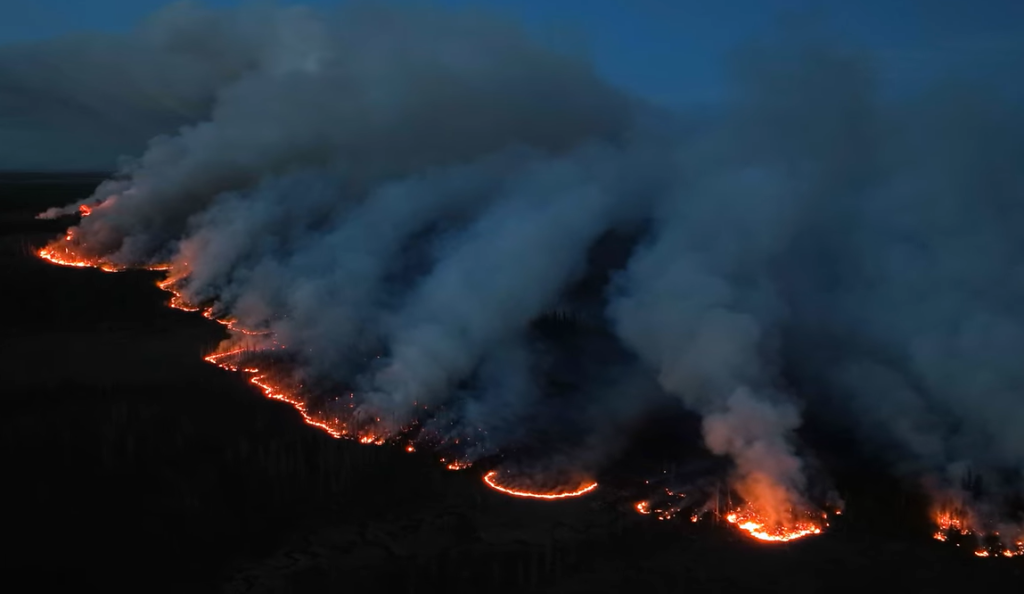
Wildfire danger ratings in B.C. have risen dramatically over the past week, as the province continues to see extraordinarily dry conditions throughout.
As of Wednesday, much of the province has moved into a “High” rating, meaning the fire risk is serious.
“New fires may start easily, burn vigorously, and challenge fire suppression efforts. Extreme caution must be used in any forest activities. Open burning and industrial activities may be restricted,” the BC Wildfire Service explains.
It’s quite the change, as CityNews Meteorologist Michael Kuss points out, much of the province was rated as Low to Moderate just seven days earlier.
“The last significant rainfall on the B.C. South Coast was on May 5. I’m not expecting any precipitation for southwestern B.C. until at the earliest June 10, and that disturbance is anything but a certainty,” Kuss said Thursday.
What a difference a week makes. Fire danger rating has gone from moderate to high for the South Coast and from very low to moderate in the southern interior. With no rain expected for the next 10-14 days the fire risk will rise. #BCwildfires #wildfires @CityNewsVAN pic.twitter.com/N8EH5JfASp
— Michael Kuss (@Kusswx) June 1, 2023
The fire danger rating has risen “rapidly” over the last week, Kuss says, adding if the forecast holds, the rating will increase again.
“We will likely see that rating go from High to Extreme for the South Coast and reach at least High for almost all of southern B.C. before the middle of June,” he said.
Related Articles:
-
Firefighters from U.S., South Africa to battle ‘unprecedented’ fires in Canada
-
Is B.C. in for a bad wildfire season?
-
Unprecedented string of Nova Scotia wildfires still burning after four days
While southern B.C. often sees early-season warm weather, Kuss says the current conditions look like something you’d see in July.
“The weather pattern looks more like a mid-summer setup than a late spring one and unless we see a change for the second half of June this could be a long and active fire season in B.C,” he explained.
Kuss’s forecast comes as the federal government described Canada’s wildfire season as “unprecedented.”
More than 300 firefighters from the United States and South Africa are heading to Canada in the coming days as the early wildfire season has forced tens of thousands of people to flee their homes.
Wildfires across the country have so far devoured about 27,000 square kilometres of land, Bill Blair, the federal minister of emergency preparedness, told reporters. The national 10-year average is about 500 square kilometres, he said.