Stanley Park mobility study outlines plan to ease pressure as visitation spikes
Posted September 12, 2025 7:21 am.
How people get in and around Vancouver’s crown jewel may drastically change soon.
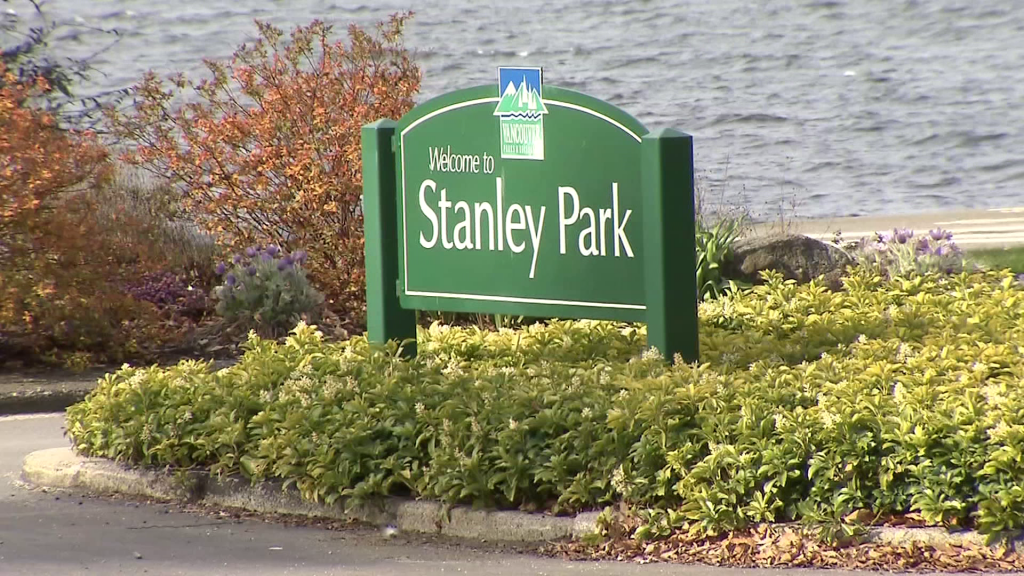
A new mobility study on Stanley Park, going before the Vancouver Board of Parks and Recreation (VPB) on Monday evening, will present six options to help increase the quality of user experience at a time when a lot of people visit the greenspace.
CLICK HERE TO LISTEN TO 1130 NEWSRADIO VANCOUVER LIVE!Those options include:
- A: Time-based vehicle access restrictions
- B: Vehicle time slot booking
- C: Park Drive with dedicated bus lane
- D: Park Drive with Dedicated Bike Lane
- E: Car-free Park Drive with dedicated bus lane & dedicated bike lane
- F: Car free Park Drive with active transportation & transit/shuttle only
Doug Shearer is the associate director of planning and policy at the VPB. He says the study aimed to figure out a way that everyone can enjoy the park without having to increase road space.
“Population has increased in both the West End and throughout the city. And visitation is increasing. In 2021, we had about 18 million people come through the park, so with all that in mind, we have a transportation system that really hasn’t changed much for over a century,” said Shearer.
He says things have changed over the years when it comes to how people get around.
“Now there’s people driving, biking, using strollers, using scooters, all modes of transport. The interesting thing we found is people use the mode of transportation that’s available to them. So, when we had a bike in after COVID, we saw bike [mode of transportation] go way up and then when we took it out, we saw bike [use] go way down.”
While the board considers a number of options, Shearer says members are hoping to get the greenlight to work with TransLink right away.
“TransLink has just recently indicated that they’re actively planning for a bus loop returning to Stanley Park after years and years of not having TransLink service within the park. Our first ask of the board is that they direct us to work with TransLink to start that planning for a bus loop that is expected to be operational around 2027.”
He explains that bus loop would come in and out from Georgia Street and run counterclockwise around the park.
Shearer points out no changes, outside of additional buses, will be rolled out overnight.
“The next step is to now run some pilots, do some planning around buses and we’ve indicated a years-long implementation plan that will allow the board to make critical decisions along the way. All of these things are complex solutions, and they all have significant capital implications.”
After speaking with stakeholders, users, and interest groups, Shearer says one priority that was made clear was to preserve the park as much as possible.
“We interpret that to mean we do not want to see more roadway introduced. And, if anything, we want to see that stay the same or be reduced.”
The study also prioritized ensuring accessibility for all users, paying attention to the wants of the three local First Nations, and protection of the park space.
The study has taken three years at a cost of almost $1 million, including $600,000 for consultation costs.
At Monday evening’s meeting, board commissioners will consider the options and vote on an implementation plan.
—With files from Cecilia Hua