Breaking the stigma: B.C. gynecologic cancer survivor encouraging women to speak up
Posted September 23, 2025 12:27 pm.
Before Carly Allen was diagnosed with vulvar cancer, she hardly knew anything about the aggressive disease.
“I started experiencing pain. So, when I was sitting, it felt like I was sitting on a rock, or a pebble. It continued to get more and more painful… I was a working professional, calling in sick to work, constantly in the emergency room, and was misdiagnosed, unfortunately. By the time I got into that referral, I was diagnosed at Stage 3,” Allen told CityNews.
CLICK HERE TO LISTEN TO 1130 NEWSRADIO VANCOUVER LIVE!She went through surgery, chemotherapy, and 39 rounds of radiation. When the cancer returned, another surgery removed the tumour for good, but it also led to a colostomy and a hysterectomy.
Allen is now seven years cancer-free, and using her journey to raise awareness for gynecological cancers.
“Shame is a big part of it. You’re even just ashamed to say you’re having pain, because [people might perceive] you did something wrong. And I definitely thought that early on, ” said Allen.
“You just have to decide, is life worth it? Or are you going to let the stigma take away your life? And I said ‘No, I’m gonna change stigma instead of letting it take away.’”
Gynaecologic cancers are sometimes referred to as “silent” due to their subtle symptoms, and are often overlooked.
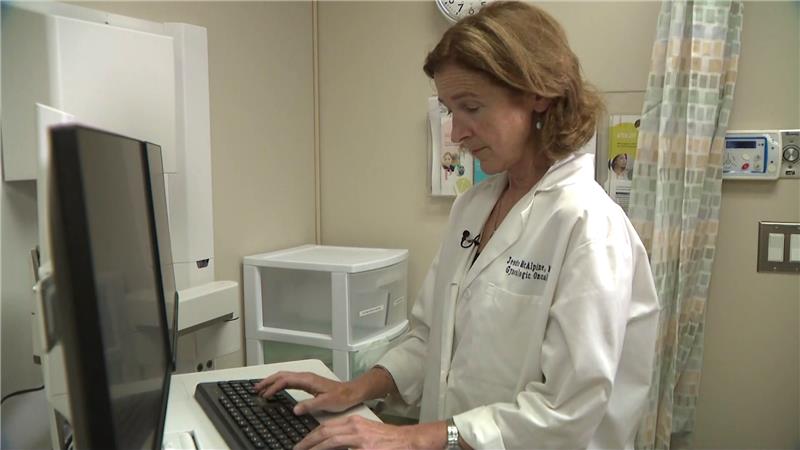
Experts, including Dr. Jessica McAlpine, an investigator with the Vancouver Coastal Health Research Institute, say women need to feel empowered enough to have proactive conversations about their health with their doctors.
“Women know their bodies. And something that’s a change and different and persistent should be something you want an answer for. The more we talk about it, the more normalized the conversation can be,” said McAlpine.
The most common types are cervical, ovarian and endometrial cancers. McAlpine says there has been good progress in recent years for early prevention and screening.
“We now have an opportunity, if you’re not comfortable in screening even in a clinic setting, you can do a home HPV self-test kit. That’s been a real game changer…If you diagnose it at an earlier stage, you have a higher likelihood of cure and a higher likelihood you may not need radiation or chemotherapy.”
As for Allen, she plans to continue advocating for herself and other women.