Climate change hurting coral more than previously thought: UVic study
Posted August 11, 2023 3:41 pm.
The effects of climate change are causing more damage to coral than was previously understood, according to research from the University of Victoria.
A study on how rising ocean temperatures are affecting biodiversity found more action is needed to protect vulnerable coral reefs, which are a vital source of food and income for hundreds of millions of people, particularly in tropical island nations.
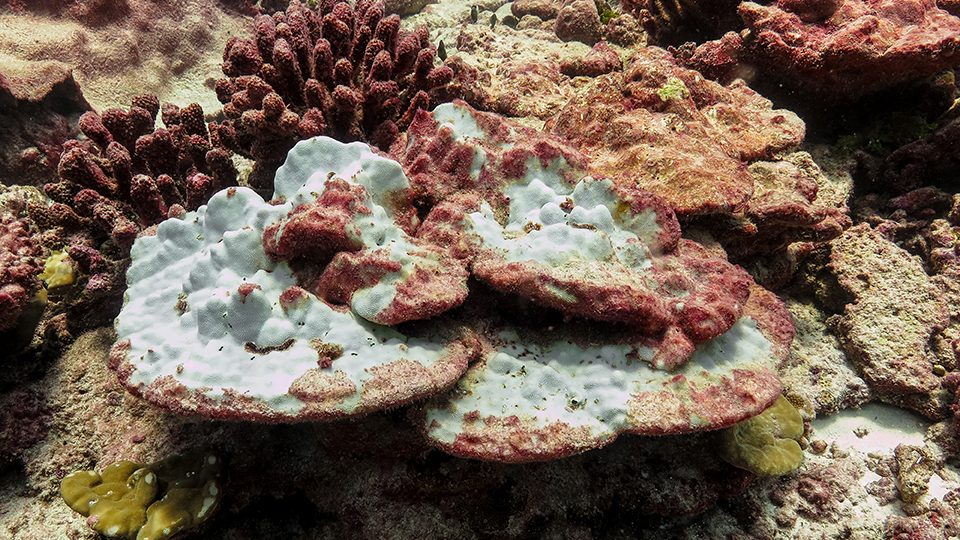
“Climate change threatens the world’s coral reefs because corals are highly sensitive to small changes in the temperature of their surrounding waters,” the researchers said. “During marine heatwaves, corals release the algae that live in their tissues and produce food for them, causing the coral to turn completely white, a phenomenon known as coral bleaching.”
Related links:
-
Canada’s insurance industry warns of higher rates, denied claims as climate crisis persists
-
Is Vancouver’s urban tree canopy prepared for climate change?
This bleaching, the authors say, can cause the corals to die of starvation.
“If they can reclaim their food source within a few weeks, they can usually recover. With global climate models predicting that heatwaves will continue to increase in both frequency and duration, corals’ ability to withstand and recover from bleaching is essential to their survival.”
Researchers say it is possible that more study could uncover ways to increase coral reef resilience, but this isn’t enough.
“We need to rapidly reduce greenhouse gas emissions to curb planetary warming,” said study co-author Julia Baum. “The current warming in Florida underscores that the ocean is simply becoming too hot for corals, and we need to act now to mitigate climate change.”
According to the research, coral reef ecosystems are worth approximately US $375 billion annually worldwide.