B.C. search and rescue groups sound alarm on illegal drone use
Posted June 3, 2025 7:24 am.
Last Updated June 3, 2025 7:29 am.
Two of the biggest and busiest search and rescue teams in the province are upset over the continued use of illegal drones while crews are trying to rescue people.
Over the weekend, Squamish Search and Rescue says one interfered with its helicopter operation to pluck an injured hiker off the top of First Peak.
“During the rescue, a drone was flown dangerously close to our team and the helicopter — between loads. It only moved after being signaled to leave the area,” it said on a post on Facebook.
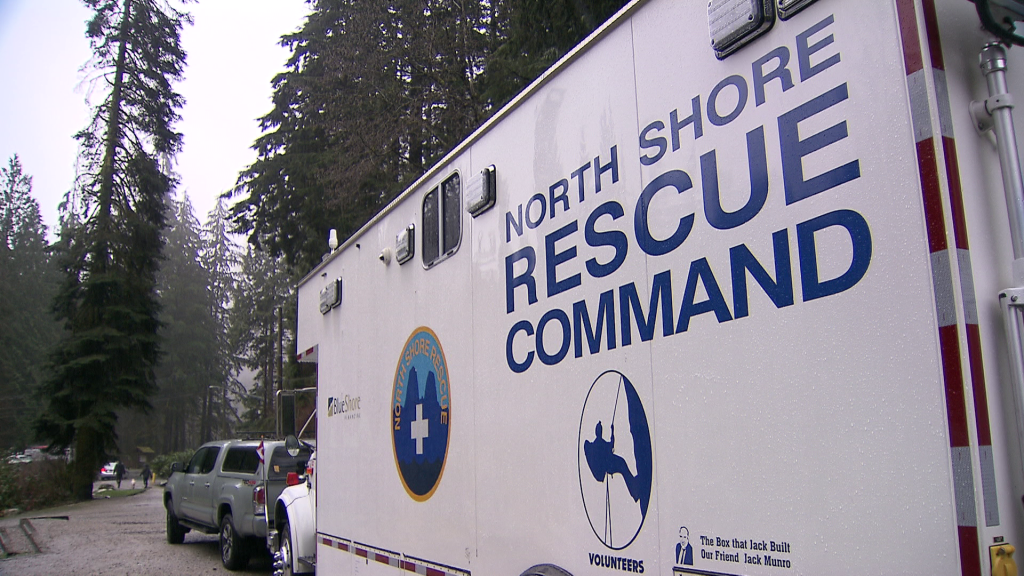
CLICK HERE TO LISTEN TO 1130 NEWSRADIO VANCOUVER LIVE!The frustration is being echoed by North Shore Rescue (NSR). In another social media post, it says flying drones too close poses serious risks, and it’s always been a concern for the group.
“This is especially the case given our frequent use of helicopters. It is a matter of safety for rescuers, our subjects, and the public we serve,” said part of a lengthy post on Facebook.
NSR adds that its biggest worry is around drones smaller than 250 grams, otherwise known as “micro drones,” which it says are often flown recreationally.
“Perhaps most importantly when it comes to restrictions, even <250g drones are subject to the overarching Canadian Aviation Regulations 900.06: ‘No person shall operate a remotely piloted aircraft system in such a reckless or negligent manner as to endanger or be likely to endanger aviation safety or the safety of any other person.'”
The province says it’s illegal to fly drones in all B.C. parks because it’s noisy, disturbs wildlife, and can invade the privacy of people in the park.
“Further, drone use (again, all drones, even the <250g ones) is prohibited in all Metro Vancouver parks, all District of North Vancouver parks, and all West Vancouver parks,” added NSR.
The rescue group says its message is simple and straightforward: drones and helicopters don’t mix.
“A good example is the Cleveland Dam area. It’s a drone no-fly area, yet we still occasionally see people flying in the area. It’s a significant concern for us, since one of our main helicopter rescue base is just over the fence, and during a rescue we take off and land there all the time,” NSR explained.
“Even when we are flying drones on rescues, our SAR pilots are in constant radio communication with Command and the helicopter, and the drones are always grounded until all of our helicopter traffic is on the ground and shut down.”
NSR says the best rule to follow is that anytime you see crews operating, ground your drone to be safe rather than sorry.